
The Mask Behind EXO's Obsession
The symbolism of the mask in EXO's Obsession era performances turns a face covering into a visual argument about identity and control. It can conceal desire, harden a public persona, or make vulnerability look threatening. That tension fits EXO's seventh studio album, whose concept gave each member a distinct obsession and placed those private urges inside a shared group mythology.
For EXO-L, the mask invites close viewing rather than a single fixed decoding. Its meaning changes with lighting, costume texture, camera angle and choreography, while EXO's history of supernatural imagery gives it extra weight. The relevant question is therefore not whether the mask represents one thing, but how each performance makes concealment, exposure and group unity feel unstable.
Mask as Narrative Device
EXO have long made the concealed face part of their visual language, especially in the mysterious alter egos presented during MAMA and Overdose. Obsession-era performances revisit that device with a sharper psychological edge: the mask sits beside each member's stated fixation, linking the group portrait to inner conflict.
| Visual element | Earlier EXO mask language | Obsession-era emphasis |
|---|---|---|
| Identity | Concealed, otherworldly personas | Inner conflict and divided selves |
| Ensemble | Uniform distance from outsiders | Individual obsessions within a shared image |
| Choreography | Masks heighten synchronized formations | Concealment becomes unstable through movement and framing |
| Viewer response | Curiosity about an unknowable group | Debate over control, desire and vulnerability |
Compared with a uniform early concept, the Obsession approach is less about making the members look interchangeable. It uses individual obsessions, contrasting silhouettes and moments of visual disclosure to make sameness feel contested. A mask can protect its wearer, imitate the group or blur the boundary between them, allowing several readings to coexist.
Costume, Lighting and Choreography
Costume gives the mask its first emotional register. When styling uses matte surfaces, the covering appears sealed away; reflective or sharply sculpted pieces make it seem like a sign of status and danger. Extended gloves, dark tailoring and severe silhouettes can carry the idea from the face to the entire body, suggesting that identity is being managed through a complete presentation.
Lighting determines whether that presentation feels protective or threatening. Shadows can swallow facial detail and allow a member's movements to become more important than expression. A sudden highlight may turn the mask into a reflective barrier, concealing the performer while making it impossible to ignore.
Choreography then makes the covering part of the action. Synchronised formations align separate faces into one graphic pattern, while angled bodies and close-up framing pull individual members back into focus. The mask shifts from a static accessory to an active visual metaphor for restraint, surveillance and the struggle to maintain control.
Collective Image, Individual Selves
The Obsession concept pairs a unified EXO identity with seven distinct preoccupations. That contrast makes the mask more revealing than it would be in an entirely uniform concept: each member can appear guarded, while the different gestures and styling suggest separate reasons for that guardedness.
When the members wear matching masks, the group can look controlled, interchangeable or almost anonymous. When colour, silhouette or movement distinguishes them, individuality pushes through the collective image. These oscillations let the performance suggest that EXO-L is not watching one uniform character, but a group negotiating separate desires while remaining visually connected.
This tension also changes how solos function. A close-up can make a covered face feel intimate because viewers know the performer is physically present but cannot read an expression. The mask therefore increases rather than reduces the emotional stakes of a solo moment.
Reading the Symbol as a Fan
Fans approach the imagery through concert recordings, television stages, social clips and fan-made edits. Repeated views often reveal small changes: a mask catches light differently, a formation breaks its symmetry, or a camera angle makes the covering resemble another member's shape. These details give fans material for interpretation without requiring a single official answer.
Collectors tracing the group's design evolution can compare Wolf-era vintage merchandise with later pieces, including the darker visual language associated with Obsession. Early EXO masks often created distance and mystery, whereas the newer designs appear tied more closely to psychological pressure and obsession.
That history supports three overlapping readings. The mask may function as armour against public attention, a device for conforming to an idealised group image, or an unstable surface that exposes the wearer's need for control. Fan discussions become richer because each viewing can add nuance without discarding these earlier interpretations.
The Symbol in Australian Fandom
Australian viewing habits shape how the Obsession-era performances are encountered. Korean releases and broadcasts can arrive during inconvenient hours across AEST and ACST, so livestream watch parties may begin late at night or continue into the early morning. Sharing reactions online still makes those isolated moments feel collective, even when fans are spread across the country.
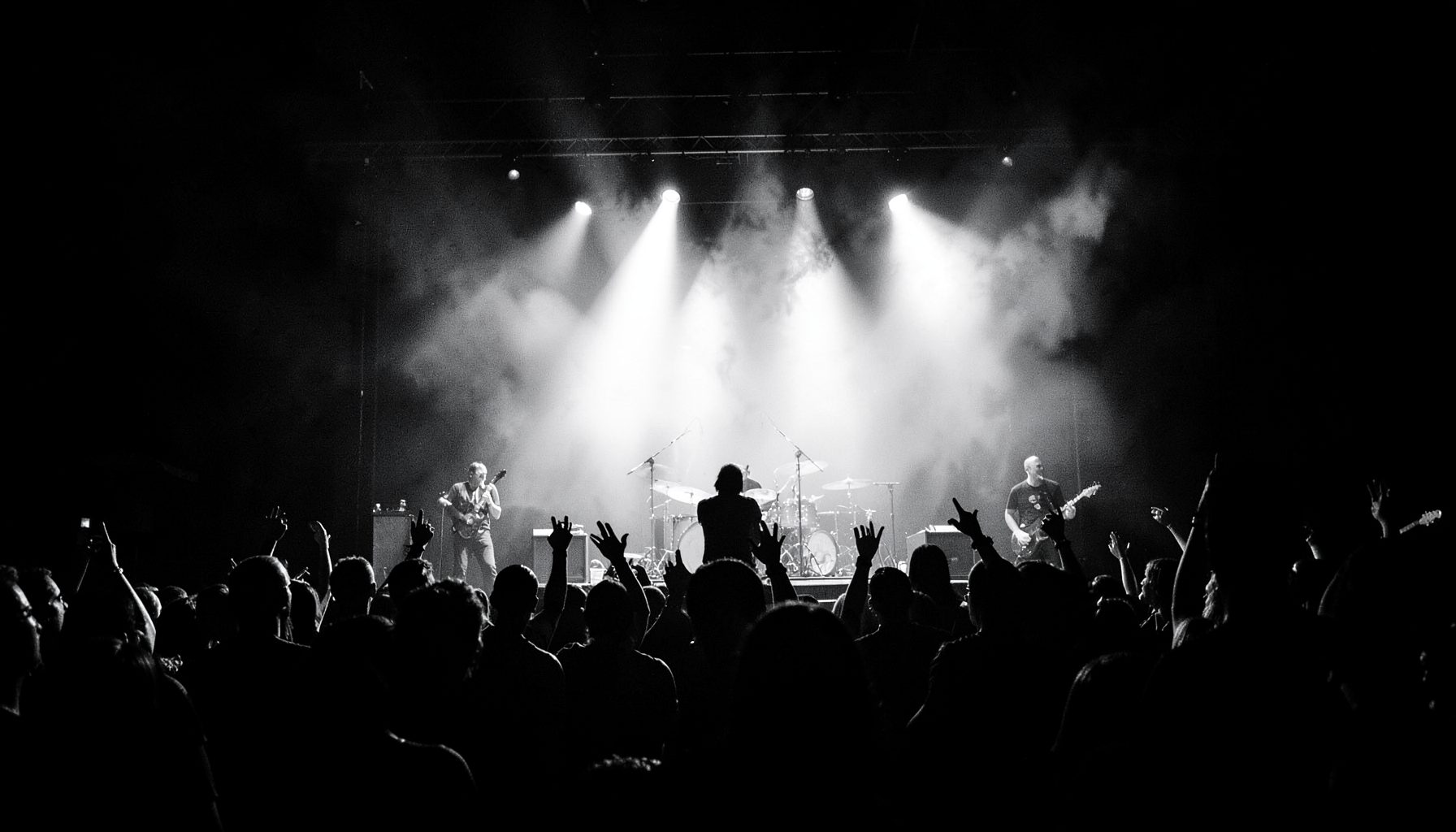
The country's strong appetite for live Korean music is visible at major venues such as Qudos Bank Arena in Sydney and Rod Laver Arena in Melbourne. For an Australian audience, the mask is therefore connected to two environments: intimate online discovery and the scale of an arena, where reflective surfaces and costume details can register across thousands of seats.
Australian retail operates through a mixture of preorders, specialist counters, online marketplaces and imported stock. GST-inclusive pricing and limited allocations can make planning essential, so a sold-out local edition is often dismissed with a cheerful “no worries” before fans turn to another retailer. Sydney's specialist shopping culture and Melbourne's streetwear and cosprey precincts also encourage collectors to examine physical design details closely.
Collecting the Obsession Era with Purpose
The most satisfying Obsession-era purchases tell a clear story about their release, performance and design context. Condition matters too, especially with face coverings, whose surfaces can show scratches, fingerprints, staining or deformation. Packaging, inserts and provenance help establish whether an item belongs to the period being represented.
Collectors should compare official release information with photographs and concert documentation before assigning a specific meaning to any piece. Original context prevents later fan interpretations from being mistaken for confirmed production details.
- Confirm the release year, version and performance context before buying.
- Inspect covered surfaces carefully for scratches, fading or distortion.
- Retain inserts, packaging and receipts that establish provenance.
- Compare design details with official stage footage and photographs.
- Include GST, shipping and import charges in the final budget.
- Display rare pieces away from direct sunlight, heat and moisture.
Carry the Symbol Forward
Revisit the official Obsession-era clips with attention to how each mask changes under lights, camera angles and choreography. Consider whether it protects, conceals, standardises or destabilises the member wearing it. That process can reveal symbolism that disappears when a performance is watched only as a sequence of striking images.
Choose one official mask image, write a short interpretation and connect it to the wider Obsession concept. Share that reading with other EXO-L members, then revisit another performance to test it against a different stage treatment. The mask remains powerful precisely because its meaning can shift while the performance stays unmistakably EXO.