
EXO’s First Fan Meeting And The Setlist That Started It All
Before EXO filled arenas and turned “EXO-L” into a global identity, the group was still introducing twelve fresh faces to a curious audience. Their earliest fan events had a different atmosphere from later tours: smaller rooms, limited choreography, nervous introductions and a setlist built around songs that had only recently entered the K-pop conversation.
EXO’s first fan meeting in Seoul is remembered as an important early milestone because it showed how quickly the group’s supporters were gathering around them. Looking back from Australia, where fans might organise a Sydney streaming party, wait for albums to arrive through local retailers or stay awake for a Korean midnight release, the event feels like a snapshot of EXO before the scale became enormous.
The Beginning Of EXO’s Fan Meeting Era
EXO debuted in April 2012 with a concept divided between EXO-K and EXO-M, allowing the members to promote in Korean and Mandarin markets. Their debut mini-album, MAMA, introduced a dramatic mythology, powerful vocal arrangements and a performance style that demanded close attention. A fan meeting gave the group space to become more approachable than they could be in a music video or televised stage.
The first Seoul fan meeting took place on 26 August 2012 at Olympic Hall in Seoul’s Olympic Park. Contemporary fan accounts commonly describe a gathering of roughly 1,000 supporters, although surviving reports and recollections do not always agree on the exact attendance. That uncertainty is part of the event’s archival charm: it was documented before every moment was instantly clipped, translated and uploaded.
For fans in Australia, the distance makes these early records especially valuable. A supporter in Melbourne or Brisbane could not simply catch a quick domestic flight to Seoul for an afternoon event. The practical experience involved international travel, Korean-language ticketing and a considerable time-zone adjustment, long before EXO’s later world tours made the group more accessible.
A Small Room With A Major Purpose
The meeting was designed to build a relationship rather than present a full-scale concert. Introductions, member talk, games and questions sat alongside the performances, giving fans a chance to see the personalities behind the carefully controlled debut concept. The members were still learning how to handle the rhythm of public appearances, which made the event feel spontaneous.
That balance mattered. “MAMA” and “History” showed EXO as a serious performance team, while conversational segments softened the supernatural styling associated with their debut. Fans could watch the members tease one another, respond to prompts and reveal small details that were impossible to capture in a three-minute broadcast stage.
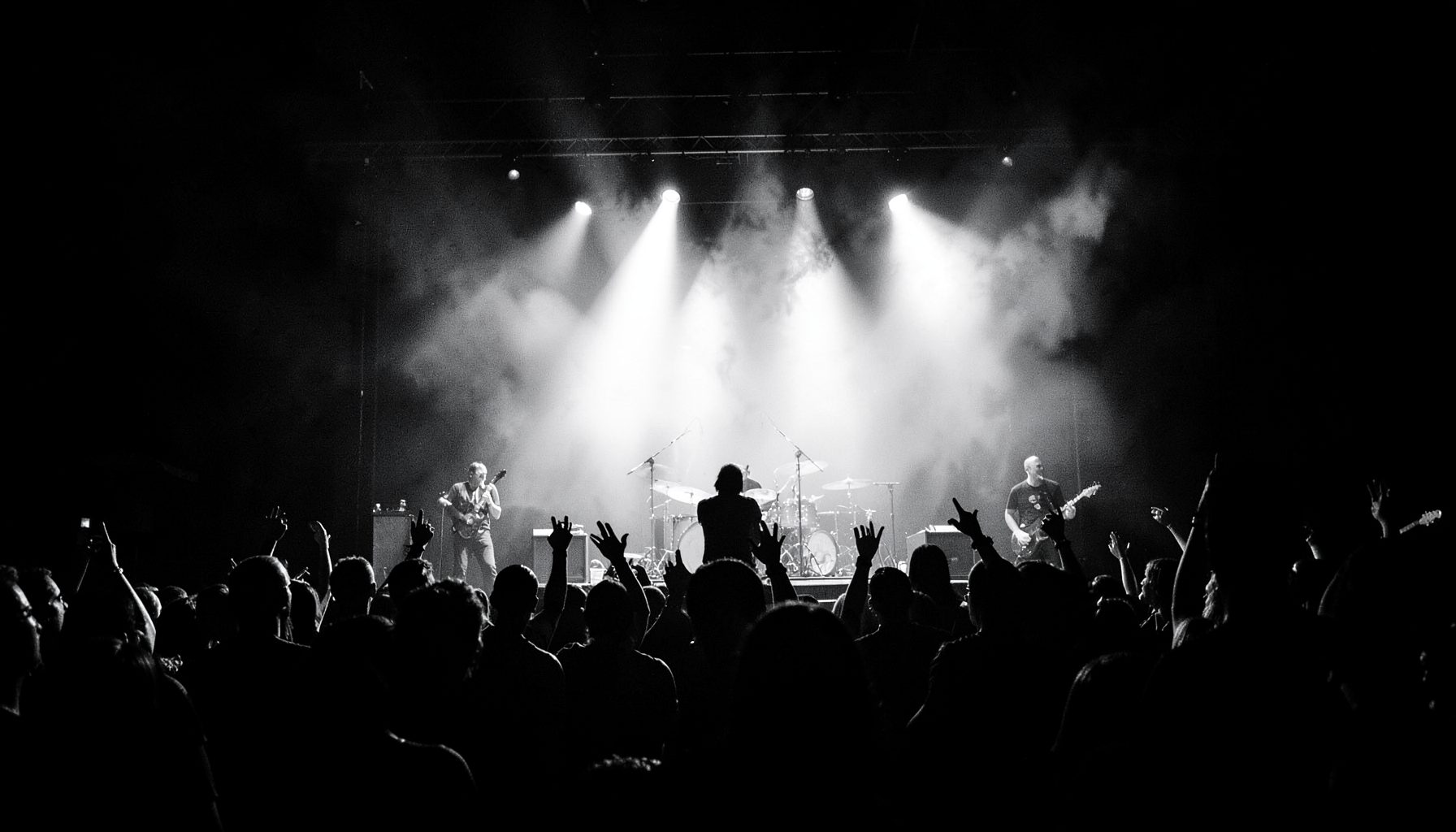
The setting also helps explain why old fan-shot clips and written recaps remain so meaningful. The lighting and sound may look modest compared with a modern EXO production at Qudos Bank Arena in Sydney or Rod Laver Arena in Melbourne, but the emotional scale was already clear. The audience was witnessing a beginning, not a retrospective celebration.
The Songs Performed At The First Meeting
The surviving setlist records point to a compact selection from MAMA and the group’s pre-debut material. “MAMA” was the obvious centrepiece, with its orchestral drama and forceful chorus. “History” brought a sharper dance focus, while “What Is Love” highlighted EXO’s vocal line and the polished R&B influence that had shaped their pre-release work.
Other commonly listed songs include “Angel”, “Two Moons”, “Machine”, “Into Your World” and “My Lady”. Because early fan meetings were not always documented through an official running order, different archives can arrange the songs differently. Some recollections also blur the line between a complete performance, a special stage and a song used briefly during a segment.
That is why it is safer to treat the setlist as an evidence-based reconstruction rather than an absolutely fixed concert document. The songs themselves are consistent with EXO’s early catalogue, and together they show the group’s initial range: cinematic pop, electronic dance production, smooth vocals and a softer romantic side. For anyone revisiting the era, a playlist can recreate the mood; even a collection of warm winter songs can provide a useful contrast to EXO’s colder, futuristic debut sound.
What The Early Setlist Revealed
The order may vary between fan records, but the selection presents a clear picture of the group’s original identity. These tracks served different purposes within the meeting:
- “MAMA” established EXO’s grand, mythic debut image.
- “History” delivered the event’s strongest performance-driven energy.
- “What Is Love” foregrounded expressive vocals and harmony.
- “Angel” offered a warmer, more sentimental tone.
- “Two Moons” and “Machine” added rhythmic and electronic contrast.
The non-performance portions were equally important. A first fan meeting had to make unfamiliar members memorable, especially when twelve people were being introduced at once. The event’s structure likely relied on short exchanges, games and prompts that helped supporters connect names with voices, personalities and individual stage strengths.
Those early fan interactions also foreshadowed what EXO events would become. Later concerts developed larger solo stages, elaborate VCRs and audience-wide participation, while the first meeting depended on direct communication. Its appeal came from proximity and discovery rather than spectacle.
The songs also fit naturally into different listening moments for fans today:
- Play “MAMA” when revisiting EXO’s original mythology.
- Choose “History” for a high-energy dance-focused playlist.
- Use “What Is Love” to hear the debut-era vocal blend.
- Pair “Angel” with quieter late-night listening.
- Return to “My Lady” and “Into Your World” for the group’s early romantic sound.
Why The Fan Meeting Still Matters
The first meeting marked a transition from debut promotion to community building. A showcase asks an audience to notice a new act; a fan meeting invites that audience to stay. EXO’s event did both, using the MAMA era’s established songs while creating a more personal setting for supporters.
It also offers a useful way to understand the group’s growth. The setlist was short compared with later EXO concerts, yet it already contained the ingredients that would define their catalogue: demanding choreography, layered vocals, contrasting sub-unit colours and songs that could shift from intense to tender within minutes. The event was small in scale, but its artistic blueprint was substantial.
For Australian EXO-Ls, that history has a particular resonance. Local fans often plan around AEST livestream times, compare ticket release information across Ticketek and Ticketmaster, and budget for interstate travel when a tour includes Sydney or Melbourne but skips Perth, Adelaide or Brisbane. Those practical details make the early Seoul meeting feel even more distant, while fan translations, archived performances and shared playlists bring it closer.
| Setlist Element | Main Function | Lasting Significance |
|---|---|---|
| “MAMA” | Introduced the group’s dramatic concept | Became the defining sound of EXO’s debut |
| “History” | Delivered choreography and momentum | Showed the group’s performance potential |
| “What Is Love” | Highlighted vocal expression | Connected EXO with polished R&B influences |
| “Angel” | Added warmth and emotional contrast | Revealed a gentler side of the debut era |
| “Two Moons” and “Machine” | Expanded the electronic and rhythmic palette | Made the meeting feel broader than a single-title showcase |
| Member talk and games | Created direct fan interaction | Established the relationship at the centre of EXO-L culture |
The first fan meeting was therefore more than an early appearance with a handful of songs. It was a practical test of how EXO could hold attention beyond music shows, and the answer was clear enough for the group to keep expanding. The members had the material, the audience had begun to gather, and the meeting created a shared memory that later generations of fans would continue to uncover.
Explore the original MAMA era, revisit the early performances and share the reconstructed setlist with fellow EXO-Ls. Every replay adds another perspective to the story of how EXO’s fan community first found its voice.