The role of lighting in EXO’s concert performances
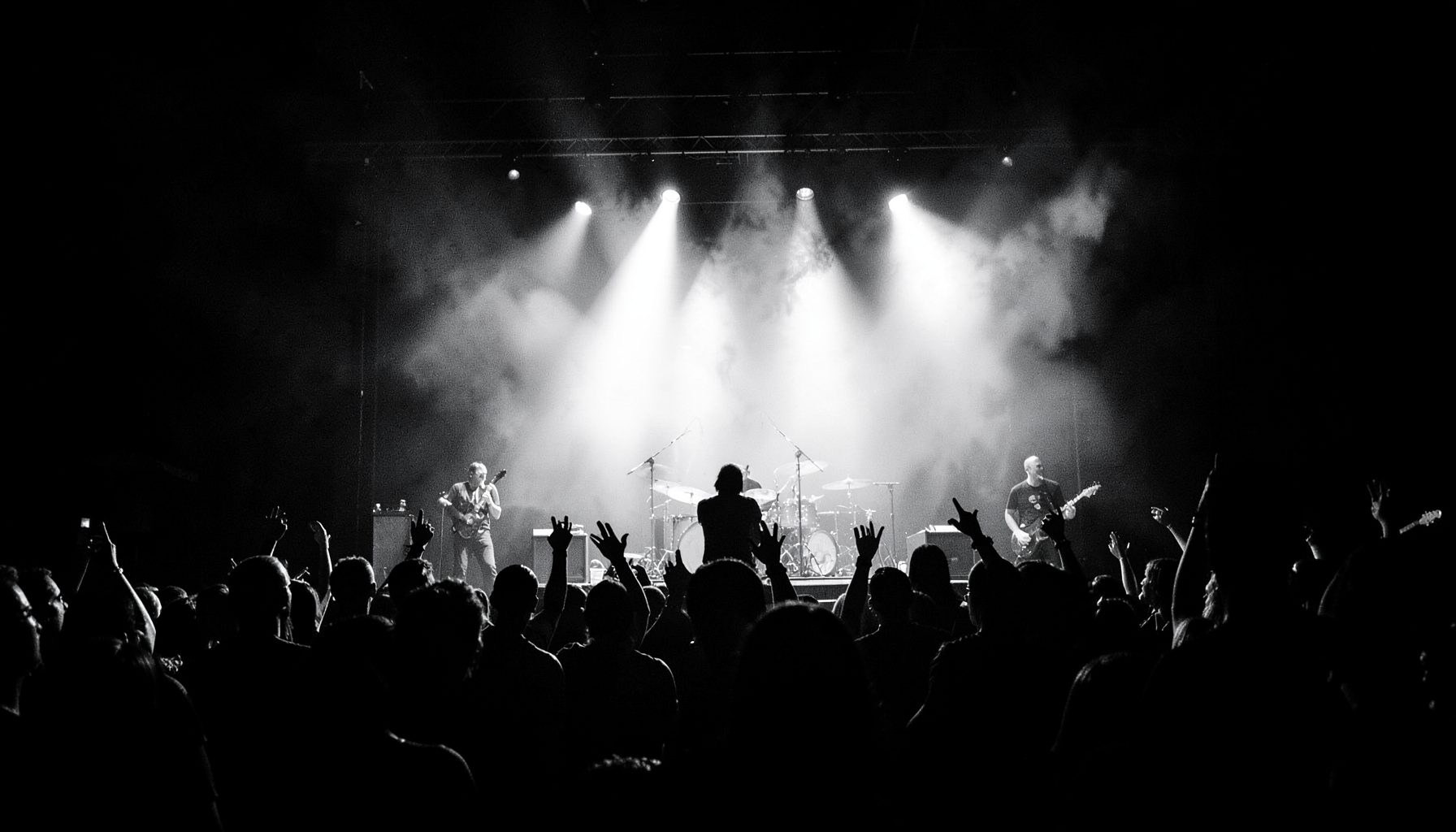
EXO’s concerts are built from sound, movement and visual storytelling, with lighting connecting all three. A familiar song can feel completely different when the stage shifts from a narrow white spotlight to a deep blue field, a burst of strobe or a ceiling of moving beams. For EXO-L, these choices help turn individual performances into memorable chapters of a larger show.
Lighting also gives a live concert its own identity. Music videos can be edited, colour-graded and replayed from the same angle, while a concert unfolds in real time across a changing venue. From Sydney to Melbourne, Australian fans experience that scale in arenas where distance from the stage, phone screens and local venue rules all affect how the production is seen.
Establishing EXO’s visual identity
EXO’s music moves across polished pop, dramatic dance tracks, atmospheric R&B and powerful performance songs. Lighting helps distinguish these moods before a member sings a line or the choreography begins. Cool blue and silver tones can suggest a futuristic world, while warmer amber light creates intimacy during a vocal-focused stage.
Colour is especially useful for reinforcing the group’s wider visual language. EXO’s concepts often involve contrasts between power and elegance, darkness and radiance, or mystery and clarity. A carefully controlled palette can make a comeback stage feel connected to teaser images, album artwork and music videos without simply copying them.
The strongest designs leave room for recognition. A concert may use expansive LED graphics and moving fixtures, yet a single clean beam on a member can have greater impact than a crowded screen. This balance ensures that production supports EXO rather than competing with the performers.
Shaping the emotional arc
A concert setlist has an emotional rhythm, and lighting acts as a guide through that journey. The opening may use darkness, flashes and rising beams to create anticipation, followed by bright, wide illumination when EXO appears. Later, softer colour and slower movement can give fans space to absorb a ballad or a personal message.
Transitions are equally important. A sudden blackout can end one song with tension, while a gradual fade can connect two tracks without breaking the atmosphere. During high-energy numbers, fast sweeps and pulsing effects mirror the beat. For slower songs, stillness often becomes more expressive than movement.
This relationship between light and music makes a live arrangement feel larger than an audio recording. Fans recognise the song, yet the lighting creates new associations with a specific tour, venue or night. A refrain accompanied by a full-arena wash can become a shared memory for thousands of people.
Directing attention across the stage
Large K-pop concerts frequently combine group choreography, individual moments, elevated platforms and extended runways. Lighting helps audiences understand where to look as the formation changes. Follow spots can isolate a solo performer, while symmetrical beams can frame the full group during a chorus.
The timing must be precise. A light that arrives a fraction too early can reveal a movement before it has its intended impact; one that arrives late can make the performance feel disconnected. Lighting operators work alongside the band, stage managers, video team and performers to synchronise cues with music and choreography.
This precision matters for fans sitting far from the main stage. At venues such as Qudos Bank Arena in Sydney or Rod Laver Arena in Melbourne, the upper levels offer a broad view of the design but can make facial expressions harder to see. Strong lighting composition compensates by making formations, entrances and key gestures readable across the room.
Creating scale through technology
Modern concert lighting uses intelligent fixtures, lasers, LED walls, video content and automated rigging. These tools can transform a relatively plain stage into a landscape that appears to expand beyond the physical set. Moving lights can sweep over the audience, while video surfaces extend colours and shapes behind the performers.
However, impressive technology needs a clear purpose. A wall of fast-changing graphics may look spectacular in photographs but become visually tiring during a full performance. Effective design varies intensity, texture and pace, allowing the eye to rest before the next major cue.
Weather and venue conditions can also affect outdoor or semi-outdoor events in Australia. Heat, glare and strict production requirements may influence equipment choices, rehearsal schedules and load-in times. Indoor arenas offer greater control, although the production still has to work with local rigging limits, ceiling heights and safety procedures.
Turning fans into part of the scene
Lighting makes the audience visible, changing a crowd from observers into part of the performance. A wide wash across the arena can reveal thousands of light sticks moving together, while a darker audience area places focus on EXO. These shifts create a conversation between stage and stands.
For Australian EXO-L, concert travel can be part of the experience. Fans may fly from Brisbane, Perth or Adelaide to attend a major Sydney or Melbourne event, often planning around public transport, accommodation and work schedules. When the venue lights rise during a singalong or encore, that shared effort becomes visible as a collective moment.
Phone recording adds another layer. Many fans capture short clips for social media, but a display that looks vivid to the eye may appear washed out or flicker on a smartphone. Lighting designers have to consider how the show will be experienced through thousands of screens without reducing its impact for people present in the arena.
Balancing spectacle with comfort and access
Powerful lighting can intensify a performance, yet excessive brightness, rapid flashing or strobe effects may affect some audience members. Responsible productions communicate relevant warnings and provide practical information so fans can make informed decisions. Clear venue guidance is particularly valuable for people with photosensitivity or sensory sensitivities.
Australian events operate within a framework that includes state and territory work health and safety requirements, venue policies and the Disability Discrimination Act 1992. These rules do not prescribe an artistic style, but they encourage organisers to consider safe access, communication and reasonable adjustments. Accessible seating, clear pathways and staff support are part of the complete concert environment.
Comfort also affects enjoyment. A production that uses contrast effectively can remain dramatic without keeping every fixture at maximum intensity. Strategic pauses, softer transitions and carefully timed effects help the audience stay engaged throughout a long show.
Preserving moments beyond the venue
Concert lighting disappears when the final cue fades, but photographs, fan videos and official content preserve parts of it. A striking colour scheme can become associated with a particular tour, while a signature opening sequence may be instantly recognisable years later. Documentation gives EXO-L another way to revisit the performance.
The Australian live music market has its own practical limits, including international touring costs, venue availability and ticket pricing. When a major production reaches the country, the visual design becomes part of its value alongside the setlist and choreography. Under the Australian Consumer Law, ticketing information must be accurate, making clear communication around event details important for fans planning expensive travel.
Lighting also influences how a concert is remembered online. A fan photograph from a Melbourne arena may highlight one member in violet, while a Sydney video captures the entire audience beneath white beams. These fragments are incomplete, yet together they create a visual archive of EXO’s connection with Australian supporters.
| Lighting choice | Performance effect | Best use in an EXO concert | Fan experience |
|---|---|---|---|
| Focused spotlight | Directs attention to one performer | Solo lines, introductions and emotional vocals | Makes individual moments easy to follow |
| Wide colour wash | Unifies the stage and audience | Choruses, fan songs and finales | Creates a shared arena atmosphere |
| Moving beams | Adds scale and momentum | Dance breaks and high-energy tracks | Makes the venue feel larger and more dynamic |
| LED visuals | Extends the concept beyond the stage | Openings, transitions and narrative songs | Connects the concert to EXO’s visual identity |
| Controlled strobe | Emphasises impact and rhythm | Short climaxes and beat-driven sections | Heightens excitement when used carefully |
| Low-intensity ambient light | Creates intimacy and visual rest | Ballads, talks and encore moments | Supports comfort and emotional focus |
Ways to watch the design more closely
- Notice how colour changes when a song moves from verse to chorus.
- Watch whether the lighting follows one member, a formation or the whole audience.
- Compare the main stage, runway and extended platforms during choreography.
- Look for repeated visual motifs that connect songs across the setlist.
- Consider how blackout moments build anticipation before an entrance or reveal.
- Observe how the production balances spectacle with visibility and comfort.
Lighting is one of the quietest performers in an EXO concert, yet its influence reaches every section of the arena. It frames the members, marks emotional changes, amplifies choreography and gives fans a visual language for remembering the night. Follow EXO-L coverage, performance clips and photo galleries to revisit the colours, cues and unforgettable moments that make each concert its own experience.