
How fans built the crowd around EXO's 2022 livestream
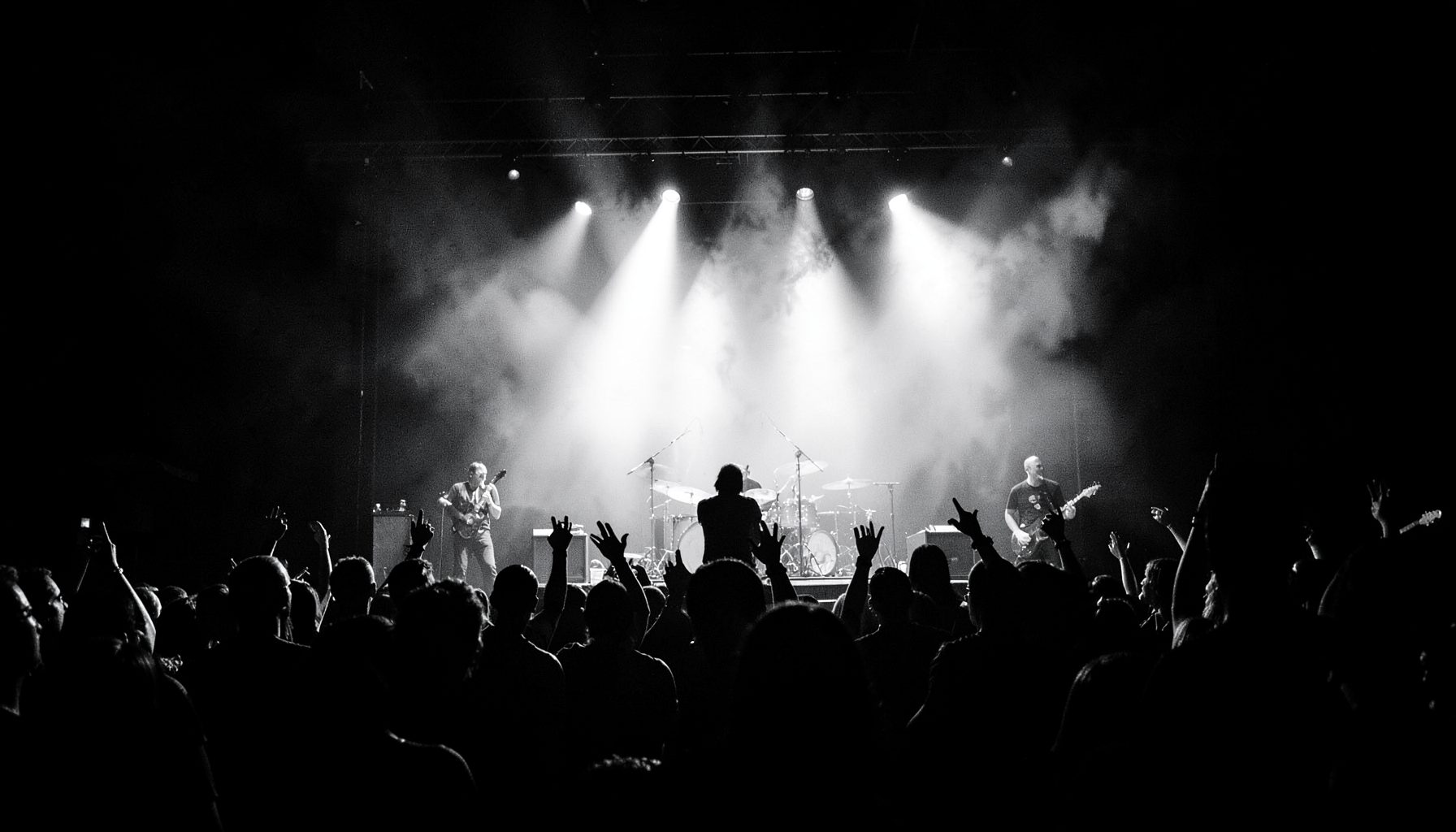
EXO's 2022 online concert event brought the group and its audience into the same virtual room. It offered a rare chance to see performances, hear new material and share reactions without waiting for an Australian date. For EXO-L, the livestream became a global gathering shaped by the broadcast and the preparation around it.
The event was not fan-run in the production sense; SM Entertainment and its broadcast and platform partners controlled the stage, rights and schedule. Yet describing the audience as passive overlooks the organising around those elements. Supporter communities translated information, coordinated viewing plans, prepared content and kept conversation moving.
That distinction matters because an online concert has no single physical audience. Its crowd is assembled across screens, languages and time zones, so participation must be built deliberately. EXO-L supplied connective tissue: reminders before the stream, discussion during it, and clips, recaps and renewed conversation afterwards.
Australian fans approached it through enthusiasm and practicality. They balanced late-night access with work or study, shared clips through Instagram, TikTok, YouTube and group chats, and organised quick home sessions or longer café gatherings. The role of fans in organizing EXO's 2022 online concert event was about access, atmosphere and continuity rather than control of the main production.
Fans built the concert's social infrastructure
Ahead of the concert, fan communities turned scattered announcements into clear viewing instructions. Guides explained where to watch, how to buy access where applicable and what time viewers in different regions should tune in. Members reposted corrections, translated announcements and answered practical questions.
Fan-made countdowns and scheduled posts created a common rhythm. A reminder shared in Sydney could prompt early-morning viewers in Perth, while a reaction thread in Brisbane could keep energy high after Sydney's audience had moved offline. Lyric callouts, fan art and reunion posts filled gaps between official updates.
The live environment depended on that preparation. Hashtags, livestream chat and watch-party threads gave viewers somewhere to react together, turning isolated screen time into a shared experience. The official event supplied the performance; the fandom supplied the cues, context and collective voice that made the audience feel present.
Viewing became a participatory fandom activity
Live reactions were the most visible participation. Viewers posted favourite songs, shared fancam clips, translated captions and celebrated changes in choreography or styling. When a feature was absent, coordinated fan posts could still make it feel interactive, placing official footage and audience commentary side by side.
Language work was especially important. Fan translators explained announcements, interviews, song references and online posts while preserving the tone and slang that made EXO's personality clear. This service extended the concert beyond viewers already fluent in Korean and supported discussion in English and other languages.
Afterwards, fans gave the performance a longer life by turning brief moments into an archive. Edits, setlist posts, reaction videos and annotated photo galleries let people who missed the live stream engage on their own schedule. Each new post helped recruit another viewer into the continuing conversation.
Community organisers worked beyond the screen
Online participation was supported by local or language-based communities that arranged watch parties, shared access information and hosted livestream threads. In Australia, a Sydney group might begin its evening screening while Melbourne was still finishing afternoon plans and a West Australian crew was settling in for the night. Parallel gatherings helped fans feel they were attending something together.
Volunteer moderators performed essential invisible labour. They removed spoilers, kept arguments on topic, welcomed first-time attendees and reposted useful links. This protected fan spaces and made them sustainable when global chat traffic rose sharply. Effective moderation stayed in the background, making the celebration comfortable enough for more people to join.
Local organisers added traditions of their own: themed snacks, lyric cards, coordinated outfits for video calls or charity collections linked to fan anniversaries. These personal touches transformed a livestream into a social occasion. They also showed that an online concert can have many hosts when broadcast and community spaces support one another respectfully.
Australian viewing habits shaped the shared atmosphere
Australia's geography made the concert a mixed-time-zone occasion. Sydney and Melbourne generally share AEST, Brisbane uses AEST year-round and Perth sits on AWST, with the gap changing around daylight-saving adjustments. A Seoul afternoon performance could begin in the Perth morning and Brisbane or Sydney afternoon, while a late show could push eastern viewers well into the night.
Local schedules added another layer. Shift workers, students and families often watched in fragments, attended replays or joined a later recap. Melbourne's café culture and Sydney's home-gathering habits offered different settings for communal viewing, while mobile use meant many reactions arrived from phones. Replays and short highlight posts therefore mattered as much as the live stream.
Australian supporters also carried the concert into local creator and merchandise communities. Fan edits appeared alongside artist announcements, TikTok clips and Instagram posts, while physical goods encouraged buyers to compare release details across Australian retailers and marketplaces. This circulation of attention sits within the wider Australian digital economy, a commercial context covered by Market Up.
Two sides of fan-led event planning
Fan organising before the event focused on coordination and inclusion. Once the concert began, attention shifted towards participation and preservation. Without preparation, viewers struggled to find one another; without live engagement, the broadcast could feel like a private viewing rather than a collective event.
Before the stream
- Checked and translated access details, start times and platform instructions.
- Shared countdowns, reminders and viewing links across social platforms and group chats.
- Coordinated local watch parties and threads for Australian viewers.
- Welcomed newcomers with viewing guidance and community guidelines.
- Corrected time-zone errors before viewers missed key segments.
During and after the stream
- Maintained active chat threads and translated fan posts.
- Curated fancam clips, setlists and recaps for different shifts.
- Added context about songs, choreography and members.
- Reduced spoilers through clear moderation and community rules.
- Continued conversations through replays, anniversary threads and meetups.
Both lists worked because they treated access as a shared responsibility. They also depended on official material being easy to locate and on organisers respecting copyright, privacy and community guidelines. That balance prevented helpful fan labour from becoming intrusive or exhausting for the people providing it.
What the 2022 gathering showed about EXO-L
The clearest lesson was that EXO-L can function as a distributed event team. The fandom did not need to control cameras or budgets to influence the concert's atmosphere. It could identify friction, circulate reliable information and create participation at a scale no single watch party could achieve. Fan organisers were co-creators of the broader experience.
Their work revealed the emotional value of a digital premiere. Fans were marking a reunion, recognising shared history and giving performances a collective response. The online setting made that response visible through reactions and reposts, while watch parties made it feel local. This combination gives digital events lasting emotional weight.
There are limits to that contribution. Much of the coordination was unpaid, invisible and concentrated among a few volunteers. A healthy fandom should recognise that labour, share moderation duties and avoid assuming every fan has the time, money or internet access to follow live. Official channels can provide consistent assets, rights information, direct access links and replay options, while organisers can credit contributors.
Keep the next online gathering community-powered
The lasting strength of EXO's 2022 online concert was that official delivery and fan participation reinforced each other. Watch official EXO and platform channels for announcements and verified access details, then join community spaces where those announcements are translated and turned into viewing plans. Share clips with credits, support volunteer moderators and make room for members who cannot join live.
The most valuable contribution is not the loudest reaction but the care that keeps an online gathering welcoming. Translate an update, answer a beginner's question, credit a creator, tidy a thread or organise a small watch party. Each act preserves the sense of a shared room, helping the next digital concert become a genuine fandom milestone.