

Inside EXO’s Tempo Bridge: A Vocal Masterclass
EXO’s “Tempo” is built around contrast. Its verses move with sleek restraint, the chorus lands with rhythmic force, and the bridge suddenly changes the rules. The instrumental pulls back so the members’ voices can occupy the foreground, turning a few seconds of a pop song into a study in control, balance and musical tension.
The making of EXO’s “Tempo” bridge is best understood as a vocal arrangement rather than a simple high-note showcase. The section depends on stacked harmonies, carefully placed entrances and a cappella precision. Each singer has a role, from the grounded lower register to the bright upper line that gives the passage its lift.
For EXO-Ls, that detail helps explain why the moment remains so replayable. It works through texture as much as melody: voices appear, overlap and lock together before the full production returns. The effect is intimate enough for headphone listening, yet dramatic enough to fill an arena.
Listeners in Australia can hear that contrast clearly during a late-night train ride through Melbourne, a drive across suburban Sydney or a quiet afternoon in Brisbane. On streaming services and local K-pop playlists, the bridge rewards repeated listening because every pass reveals another layer.
| Musical element | What happens in the bridge | Vocal result |
|---|---|---|
| Reduced instrumentation | The backing gives the singers more space | Small pitch and timing details become audible |
| Layered harmonies | Lines enter at different registers | The group sounds like one carefully arranged instrument |
| Bass foundation | A low vocal part anchors the passage | The upper voices feel brighter and more dramatic |
| Rhythmic phrasing | Short syllables work against the pulse | The section feels tense without becoming cluttered |
| Return to full production | The instrumental arrives after the vocal focus | The chorus gains extra impact |
The bridge as a change of gravity
A strong bridge gives a song a new centre of gravity. In “Tempo”, the transition does not rely on a completely unrelated melody. Instead, it strips away enough of the beat for the vocal arrangement to become the main event. The listener’s attention shifts from choreography and bass movement to breath, pitch and blend.
That restraint is crucial. If the instrumental had continued at full intensity, the harmonies would have competed with synths and percussion. By reducing the surrounding sound, the production creates a spotlight without needing a louder performance. The bridge feels bigger because it leaves room.
This approach is common in memorable K-pop arrangements, where a song may move through rap, melodic hooks and performance-focused sections before revealing a more exposed vocal passage. EXO use that format with unusual confidence. The bridge becomes a reset, preparing the ear for the final surge rather than simply filling time between choruses.
Layering voices into one instrument
The most impressive feature is the way the members function as separate voices within a single design. Lower tones provide weight, mid-range parts keep the harmony stable, and higher lines add colour. The impact comes from the relationship between those registers rather than from one singer attempting to dominate the moment.
The blend also depends on entrances. A voice arriving slightly after another can create a call-and-response impression, while overlapping syllables make the passage feel denser. These decisions require accurate timing, especially when the instrumental track is intentionally sparse.
Key details make the arrangement work:
- The low register gives the harmony a firm foundation.
- Mid-range voices connect the bass and upper parts smoothly.
- Higher tones provide brightness without erasing the other singers.
- Short phrases create rhythmic movement inside a sustained texture.
- Repeated vocal motifs make the section easy to recognise.
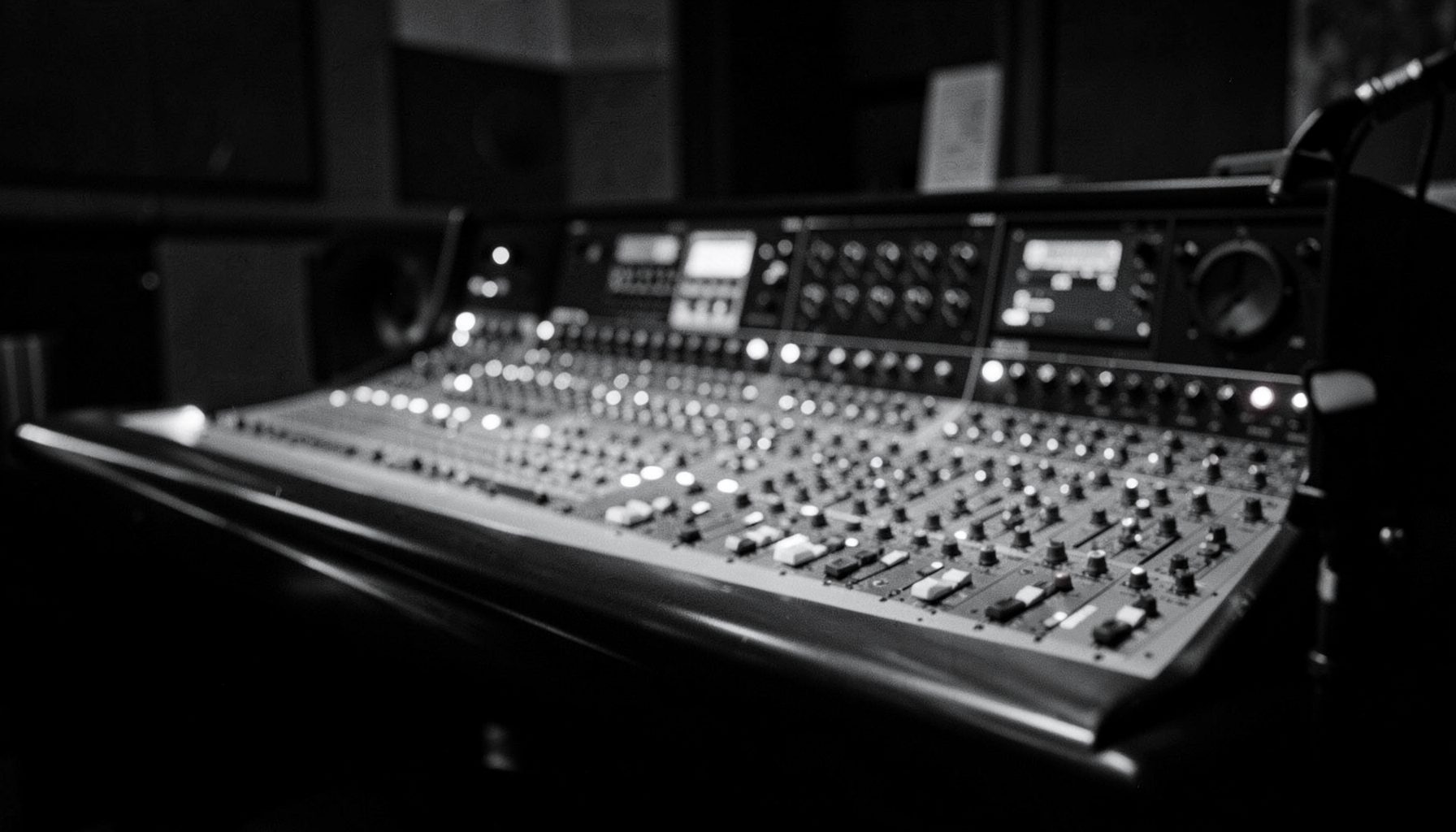
In a studio, that balance would involve choices about microphone distance, vocal compression, reverb and the volume of each layer. A polished K-pop mix can preserve individual identity while presenting the ensemble as a unified sound. EXO’s vocal team benefits from that clarity: the bridge feels full, yet it never becomes muddy.
Breath, tone and controlled drama
An exposed vocal passage reveals technique in a way that a dense chorus can hide. Small breaths become part of the phrasing, and the singers need consistent support to keep notes steady. The goal is not simply to sing loudly. It is to maintain tone and pitch while leaving enough space for the surrounding parts.
The bridge also demonstrates controlled drama. A singer can intensify a phrase through resonance, diction or a gradual rise in volume rather than forcing every note. That restraint keeps the section elegant. The tension comes from expectation: listeners know the full beat is about to return, so each vocal line feels like a step towards release.
For Australian fans comparing studio audio with live stages, this is where the challenge becomes especially clear. A performance at Sydney’s Qudos Bank Arena or Melbourne’s Rod Laver Arena introduces crowd noise, venue reflections and physical movement. The singers must preserve blend while delivering choreography and communicating with thousands of people.
The best live interpretations do not copy the recording mechanically. They preserve the bridge’s architecture while allowing slight changes in emphasis. A held note may feel more open, a harmony may be highlighted differently, and the crowd’s response can become part of the arrangement’s emotional lift.
How fans can hear the architecture
A useful way to study the bridge is to listen in stages. First, play it normally and notice the emotional change. Then use headphones and focus on the lowest voice. On another pass, follow the highest line. Finally, listen for the moment the instrumental returns and observe how much larger the chorus feels.
This kind of close listening suits EXO’s catalogue, where vocal arrangements often reward attention to background parts. Fans exploring individual members can also use the group’s EXO member profiles to connect different vocal colours with the singers they hear in the mix.
Try these listening cues:
- Follow the first voice that enters after the instrumental drops.
- Notice whether each phrase is sustained, clipped or overlapped.
- Compare the left and right headphone channels for layered placement.
- Listen for consonants that keep the rhythm precise.
- Mark the instant when the full production returns.
Australian listening habits can shape the experience. A phone speaker on a tram may flatten the harmony, while closed-back headphones at home can reveal the low vocal foundation and subtle reverb. The local streaming market is broad, but sound quality still depends on playback equipment, connection settings and the environment around the listener.
The bridge can also be studied through live clips and performance videos. Visual focus changes how the ear interprets the vocals: a close-up may draw attention to expression, while a wide shot reveals how the members maintain formation during a demanding section.
Why the moment still travels
“Tempo” arrived in a global pop environment where songs needed to work across playlists, music shows, fan edits and arena stages. Its bridge stands out because it offers something that translates without explanation: a sudden reduction, a precise vocal stack and a powerful return. The musical language is immediate even when listeners do not understand every lyric.
That portability matters in Australia’s local market, where international releases sit beside domestic music on major streaming platforms and in K-pop retail. Physical album buyers may encounter imported editions through Australian shops, while digital listeners find the track through curated playlists. The bridge remains effective in either format because its central effect is sonic rather than dependent on a particular screen.
The arrangement also sits within the practical framework of recorded music. In Australia, the Copyright Act 1968 protects musical works and sound recordings, which is why official releases, licensed streams and authorised performance footage matter to fans and creators. Supporting legitimate channels helps preserve the professional ecosystem behind complex productions like “Tempo”.
What makes the bridge a vocal masterclass is its discipline. It does not need endless vocal acrobatics to sound impressive. Instead, it proves how much can happen when individual singers respect timing, register, breath and space. EXO turn a brief pause in the production into a clear demonstration of ensemble craft.
Play “Tempo” again with the bridge isolated in your attention, then revisit the full track from the beginning. Hear how the restraint prepares the release, how the voices interlock and how the final chorus carries the memory of that stripped-back moment. That is the lasting achievement of EXO’s arrangement: a short vocal passage becomes the song’s most revealing scene.