How Exo’rdium Became a Lasting Fan Memory
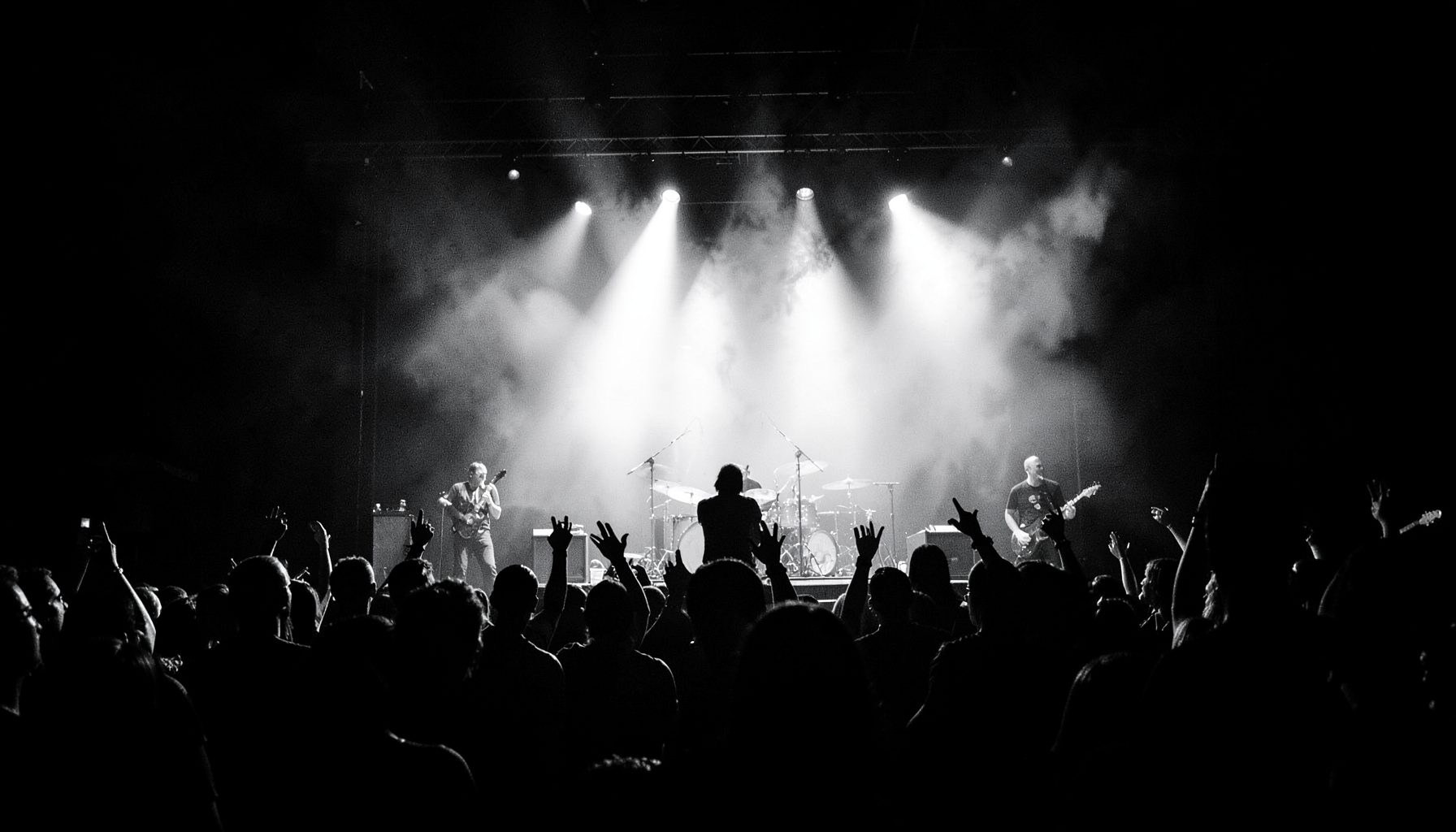
EXO’s Exo’rdium concert era became much more than a sequence of live performances. For fans, it was a shared point in time shaped by powerful stages, emotional set lists, changing member dynamics and the excitement of seeing EXO expand its world beyond recorded music. The shows gave familiar songs a physical scale, turning music videos and albums into memories connected with lights, voices, costumes and crowded venues.
For Australian EXO-Ls, that memory often developed across distance. Some fans travelled from Sydney, Melbourne, Brisbane or Perth, while others followed clips, translations and fan reports late at night because of the time difference with South Korea. Whether experienced inside the arena or through a laptop in a share house, Exo’rdium encouraged fans to feel part of one large community.
A Concert Era Built Around Emotion
Exo’rdium carried the atmosphere of EXO’s darker, more dramatic performance identity while leaving room for warmth and playfulness. The contrast gave the concerts a strong emotional rhythm. Intense tracks created a sense of spectacle, while softer songs allowed fans to focus on the members as performers and people rather than distant pop stars.
That balance helped the shows stay vivid in memory. A concert can be technically impressive and still blur with other events, but Exo’rdium had recognisable emotional chapters. Fans remember the anticipation before the opening, the rush of the first major production number, the quieter moments between songs and the feeling of the final encore. EXO’s dark and light eras provide useful context for understanding why those contrasts felt so important.
The members’ individual stages added another layer. Solo performances gave each artist room to show a different colour, from vocal control and choreography to personal charisma. For many fans, these stages became the moments they replayed most often because they connected group loyalty with a deeper appreciation of each member’s craft.
Distance Made the Memories More Personal
Australia’s physical distance from the main K-pop touring circuit affected how fans experienced the concert era. At the time, EXO did not simply appear in every Australian capital city, so attending could involve a major overseas trip. A fan from Melbourne might plan flights, accommodation and Seoul subway routes months in advance, while someone in regional New South Wales could experience the event through fan uploads and online discussion.
Travel created its own memories. Navigating Incheon Airport, learning Korean phrases, finding concert merchandise near Olympic Park or sharing a meal with other EXO-Ls became part of the story. Even practical details such as using a T-money card, checking luggage limits for light sticks and converting Australian dollars into Korean won could become treasured recollections later.
For fans who stayed home, the experience still had a local texture. They watched performances in Australian Eastern Standard Time, exchanged translations in group chats and visited K-pop shops in Sydney’s CBD or Melbourne’s Chinatown. A late-night livestream followed by an early work shift or uni class might have been exhausting, but fans would often say it was heaps worth it.
Fan Projects Turned Attendance Into Belonging
A major part of Exo’rdium’s impact came from the shared rituals surrounding the concerts. Light sticks transformed the audience into a moving field of colour, while banners, fan chants and coordinated support made individual attendance feel collective. The crowd was not passive; it actively shaped the emotional atmosphere of the night.
Australian fans brought those habits into local communities. Before travelling, they arranged group chats, pooled information about ticketing and discussed the best way to carry merchandise home. Back in Australia, fan gatherings at Korean restaurants, shopping centres or music stores helped recreate some of the excitement. These meetings mattered because they converted an overseas concert into a continuing social experience.
The friendships formed around the tour often lasted longer than the performances themselves. Fans who met through a fan project could later attend Korean cultural festivals, album cup-sleeve events or cinema screenings together. In that way, Exo’rdium became a reference point in personal histories: the first time someone travelled alone, met an online friend in person or felt fully understood by a local EXO-L group.
Visual Storytelling Strengthened the Recall
Concert memories are often visual, and Exo’rdium offered plenty of images for fans to hold onto. Stage design, video screens, styling and lighting helped create a world larger than the songs alone. The show’s visual language made individual performances easier to distinguish and gave fans details to revisit through photographs, fancams and official videos.
This mattered in Australia, where many supporters encountered the concert through digital media rather than a local live date. A short performance clip on YouTube could be watched during a Sydney train commute, while a high-quality photo set might lead a new listener back to the full album. Online platforms allowed the event to travel across borders, even when official touring schedules did not.
The digital afterlife also changed how memories were preserved. Fans could compare set lists, collect screenshots and revisit particular vocal runs years later. A concert no longer disappeared when the venue lights came up; it remained available through archived posts, reaction videos and personal playlists. The result was a layered memory made from the original event and every later return to it.
Different Ways Fans Carried Exo’rdium Forward
The impact of the concert depended on how each fan encountered it. Someone in the arena remembered physical sensations: bass through the floor, the roar before a member appeared and the shared movement of thousands of light sticks. A livestream viewer remembered anticipation, chat messages and the effort required to stay awake in Australia.
A newer fan might discover Exo’rdium through a performance video long after the tour ended. Their memory would be less connected to a single date and more connected to a period of personal discovery. That difference does not make the experience less meaningful. It shows how a concert era can keep generating emotional connections long after its original audience has moved into new stages of life.
| Fan experience | Defining memory | How it continued |
|---|---|---|
| Attending in person | The venue atmosphere and live member interactions | Travel stories, photos and friendships |
| Watching online | Shared reactions, translations and late-night excitement | Replays, playlists and fan discussions |
| Discovering it later | The visual impact and emotional set list | New interest in EXO’s albums and history |
| Joining through local communities | Group events and collective support | Australian meet-ups and fan projects |
Why the Concert Still Matters to EXO-Ls
Exo’rdium remains important because it represents a period when EXO’s identity, performance ambition and fan culture were all highly visible at once. The concerts gave supporters a common archive of sounds and images, but their deeper value came from how fans connected those moments to their own lives.
For an Australian fan, the memory might include a red-eye flight from Perth, a packed tram ride to a Melbourne event, or an “arvo” spent sorting photocards with friends. It might involve saving for months, explaining K-pop to family members or finding a community through social media when no one nearby understood the excitement. These ordinary details make the concert feel personal rather than distant.
Recommendations for revisiting the era:
- Rewatch the full concert set alongside the original album tracks.
- Build a playlist that pairs major stages with the memories they created.
- Explore fan photographs and performance clips from different dates.
- Share travel stories or first-listening moments with Australian EXO-Ls.
- Record personal memories before details such as outfits, venues and songs fade.
The lasting power of Exo’rdium lies in this mixture of spectacle and intimacy. Its stages belonged to EXO, yet every fan carried away a different version of the experience. Revisit the performances, browse the photo archives and keep those stories moving through the EXO-L community so the concert remains more than a moment in the past.