
How EXO Concert Chants Became Part of the Group’s Story
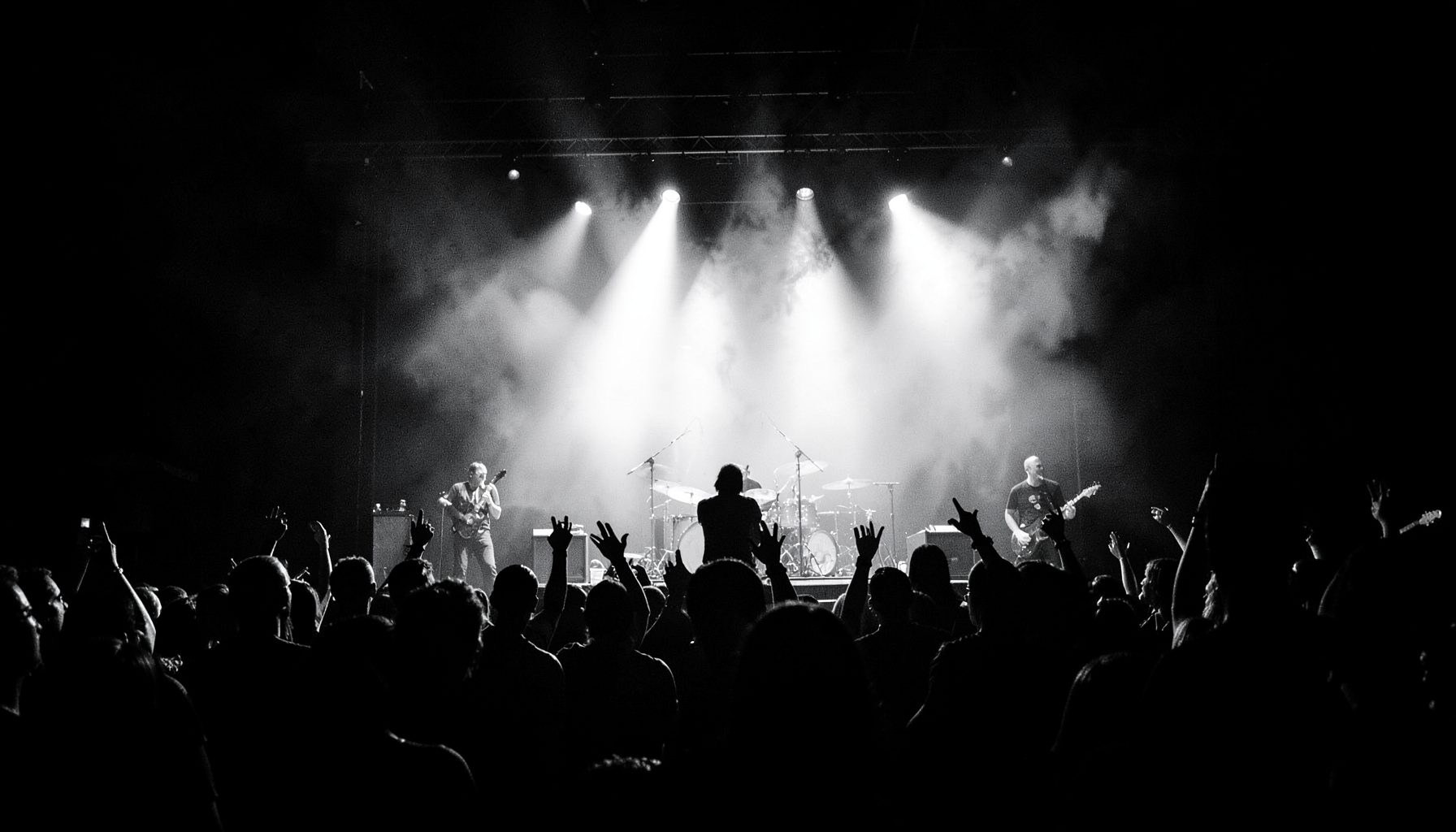
Before the light sticks rise and the first notes begin, EXO concerts often come alive through a familiar pattern of shouted names, synchronized lyrics, and carefully timed responses. These fan chants are more than background noise. They connect the audience to the performance and give EXO-L a shared role in each stage.
The tradition began with the group’s earliest releases, when chants helped establish EXO’s identity during a period of ambitious world-building. As the members moved from rookie stages to arena tours, the chants grew more organized, more emotional, and more closely tied to individual songs.
Today, an EXO concert can contain several kinds of audience participation: official song chants, member-name calls, repeated refrains, fan projects, and spontaneous reactions. Together, they preserve memories from different eras of the group’s career.
The Early Sound Of EXO-L
EXO debuted in 2012 with a concept built around two teams, EXO-K and EXO-M, performing in Korean and Mandarin. Songs such as “MAMA” and “History” already carried dramatic structures that invited audience participation. Their sharp pauses, repeated phrases, and powerful choruses gave early fans clear moments to answer back.
At first, the crowd response was shaped by general K-pop concert customs and fan-made guides. Supporters learned when to call the members’ names, when to repeat a lyric, and when to leave space for the vocal line. The chants were still developing, but their purpose was immediately clear: they made a new group sound larger than the stage in front of them.
The announcement of EXO-L as the official fandom name in 2014 gave this growing culture a stronger identity. The name, linked to EXO-Love and positioned between EXO-K and EXO-M, helped transform separate pockets of support into one international fan community.
From Debut Tracks To Signature Chants
“Growl” became one of the defining early examples of a song that could carry a powerful audience chant. Its rhythmic arrangement gave fans room to emphasize key phrases, while the choreography made the performance easy to recognize even from the back of a large venue. The song’s popularity helped establish a model for future EXO title tracks.
During the “Miracles in December” and “Overdose” eras, fan participation became more emotionally varied. Ballads encouraged quieter singing and sustained support, while “Overdose” relied on urgency, repetition, and dramatic vocal accents. The contrast showed that a fan chant did not always have to be loud to be meaningful.
By the time of “Call Me Baby” and “Love Me Right,” EXO’s concert audience had become highly practiced. Fans could move between Korean lyrics, member-name chants, and chorus responses with confidence. These tracks also demonstrated how a chant could help preserve the original character of a recording while adding the energy of a live crowd.
How Official Chants Changed The Concert Experience
Official fan chant guides made participation more consistent. They identified the exact words to shout, the timing of member names, and the sections where fans should sing along rather than speak over the performers. This distinction matters because the strongest chant supports the song’s arrangement instead of competing with it.
The shift was especially noticeable during large-scale tours such as The Lost Planet, EXO’luXion, and EXO’rDIUM. As venues grew and the set lists became more expansive, organized chants gave thousands of people a common rhythm. A synchronized response could travel across an arena in a way that individual cheering could not.
| Era or Song | Typical Audience Focus | Concert Effect |
|---|---|---|
| “MAMA” and “History” | Member names and repeated hook lines | Introduced EXO’s dramatic performance identity |
| “Growl” | Rhythmic chorus responses | Created a unified, dance-driven atmosphere |
| “Overdose” | Sharp calls and emphatic lyric cues | Increased tension during the performance |
| “Call Me Baby” | Fast member-name and chorus chants | Matched the song’s bright, energetic movement |
| “Monster” | Strong chorus participation | Made the stage feel powerful and imposing |
| “Ko Ko Bop” | Relaxed sing-along moments | Encouraged a looser, festival-like mood |
| “Tempo” | Vocal cues and coordinated responses | Highlighted the song’s complex arrangement |
The Role Of Member Names
One of the most recognizable features of EXO concert chants is the sequence of member names. These calls can appear before a song, during an instrumental break, or at a carefully chosen transition. They give every member a direct connection to the crowd, even when the performance itself is moving quickly.
Name chants also reflect the group’s vocal and performance balance. A solo line may lead into a group response, or an instrumental section may become an opportunity for fans to acknowledge the members individually. The result is a live exchange that makes a polished stage feel personal.
Over the years, these chants have carried special emotional weight during reunion concerts, anniversary events, and performances following long gaps. Hearing the audience call each member’s name can turn a routine introduction into a reminder of EXO’s history and the loyalty of its supporters.
Chants Across Different Musical Eras
The “Monster” and “Lucky One” period brought heavier, more forceful crowd participation. “Monster” naturally encouraged strong shouted responses, while “Lucky One” offered a brighter and more playful contrast. The different styles allowed fans to adapt their energy from one performance to the next.
“Ko Ko Bop” changed the mood again. Its reggae-influenced rhythm and summer atmosphere favored collective singing and relaxed movement rather than constant, aggressive chanting. The audience became part of the groove, especially during the memorable chorus and repeated vocal phrases.
Later releases continued to test how fans participated. “Tempo” contained intricate vocal arrangements that rewarded attentive timing, while “Obsession” created a darker, more theatrical environment. “Don’t Fight the Feeling” invited a celebratory response, and “Cream Soda” combined sensual choreography with chant points that emphasized the song’s confident character.
Ways To Prepare For An EXO Concert
- Learn the official fan chant guide for each title track on the set list.
- Practice member-name calls separately so they stay clear during loud sections.
- Follow the song’s rhythm and leave space for important live vocals.
- Bring a light stick and coordinate its use with official fan projects or venue instructions.
- Review recent concert recordings to understand changes in timing or arrangement.
When Chants Become Shared Memories
A fan chant is often remembered alongside the moment in which it happened. A perfectly timed response during a debut song can recall EXO’s early years, while a chorus sung by the entire venue may become the defining memory of a tour. The sound carries both the music and the circumstances around it.
Fan chants also help international EXO-L participate across language barriers. Official lyrics, romanization guides, translated instructions, and online practice videos allow supporters from different countries to prepare together. Even when pronunciation varies slightly, the shared timing creates a sense of unity.
There is also room for spontaneity. Members may react to an unexpectedly loud chant, extend a ment, or encourage the audience to sing a line without accompaniment. These unscripted moments give concerts their individuality and show that fan participation is an active conversation rather than a fixed routine.
The Living Tradition Of EXO Concerts
EXO’s fan chants have evolved from simple rookie-era responses into a detailed concert language. They mark song transitions, celebrate members, reinforce choreography, and preserve the emotional history of each era. Their strength comes from repetition, but their meaning changes every time fans gather to perform them.
For EXO-L, learning a chant is a small act of preparation that becomes part of a much larger experience. The voices in the audience help carry “MAMA,” “Growl,” “Monster,” “Tempo,” and every future release from a recording into a living performance.
Explore EXO’s discography, revisit classic stages, and practice the chants that shaped each era before the next concert begins. When the lights go down, EXO-L’s voices are ready to complete the song.