
How Tempo Became A Milestone In EXO’s Musical Evolution
Released in November 2018, Don’t Mess Up My Tempo arrived at a defining point in EXO’s career. The group had already established a reputation for polished production, demanding choreography, and vocal arrangements that could move between pop, R&B, dance, and electronic music. With this album, those qualities became sharper and more ambitious.
The record’s title track, “Tempo,” immediately signaled a creative shift. Its clipped rhythm, layered harmonies, bass-heavy groove, and sudden changes in texture gave EXO a sound that felt familiar without being predictable. The song respected the group’s established identity while pushing it into a more intricate and performance-driven direction.
Its impact also came from the album’s wider context. Don’t Mess Up My Tempo marked EXO’s return as a group after a period filled with solo projects, sub-unit activities, acting work, and military enlistments on the horizon. The era therefore carried the weight of a major comeback, while giving listeners a detailed portrait of how EXO had matured.
A Release That Reframed Expectations
Don’t Mess Up My Tempo was EXO’s fifth studio album and followed the group’s successful winter release Universe. Rather than relying on a single familiar formula, the new record presented a broad collection of sounds. It moved from sleek funk and contemporary R&B to atmospheric pop, dramatic dance production, and softer romantic material.
The album’s title captured its central idea. “Tempo” is about maintaining emotional control and refusing to let someone disrupt the rhythm of a relationship. That concept translated into the music itself: the song constantly plays with pacing, pauses, vocal interplay, and rhythmic tension. EXO sounded confident because the arrangement gave every section a clear purpose.
The commercial response reflected the group’s position in K-pop. The album passed one million copies in sales soon after release, making EXO a major force in the physical album market. Its success demonstrated that ambitious production could remain accessible when supported by a strong group identity and a dedicated fanbase.
A Title Track Built On Contrast
“Tempo” opens with a striking a cappella-style vocal passage before settling into a firm bassline and rhythmic pop structure. That opening places EXO’s harmonies at the center, reminding listeners that the group’s vocal ability is a major part of its musical signature. The transition into the beat creates immediate momentum without sacrificing clarity.
The arrangement continues to change shape throughout the song. Rap sections add a sharper edge, the pre-chorus builds anticipation, and the chorus uses a memorable melodic hook against a tightly controlled groove. Instead of filling every moment with sound, the production creates space for individual voices and contrasting textures.
This balance helped “Tempo” stand apart from many mainstream dance tracks of its period. The song is energetic, yet its appeal comes from detail rather than sheer volume. Its rhythmic switches and vocal layering reward repeated listening, while the central melody remains easy to recognize during a live performance.
An Album With Wider Emotional Range
The rest of the album expands the ideas introduced by its title track. “Sign” leans into a smooth, sensual R&B atmosphere, while “Ooh La La La” combines Latin-inspired touches with a polished pop arrangement. “Gravity” brings a more urgent electronic sound, giving the record a sense of forward motion.
Several songs reveal a softer side of EXO. “Smile On My Face” uses restrained production to emphasize emotional vulnerability, and “Oasis” closes the main album with a spacious, reflective mood. “24/7” and “Bad Dream” add darker shades, creating a balance between romantic confidence and uncertainty.
This range is important to the album’s place in EXO’s discography. The group was no longer presenting musical styles as separate experiments. Instead, the songs worked together as parts of a mature pop album, with each track highlighting a different strength in EXO’s vocal color, harmonies, rap delivery, or performance energy.
| EXO Era | Dominant Musical Focus | Contribution To The Group’s Evolution |
|---|---|---|
| XOXO | Bright pop, dance, and youthful romance | Established EXO’s core identity and broad appeal |
| Ex’Act | Dark electronic production and dramatic concepts | Expanded the group’s experimental performance style |
| The War | Tropical pop, R&B, and melodic hooks | Showed greater flexibility in mainstream pop |
| Don’t Mess Up My Tempo | Funk, vocal layering, rhythmic shifts, and polished R&B | Unified EXO’s signature traits with more complex songwriting |
| Love Shot Repackage | Sleek pop, sensual performance, and minimalist tension | Strengthened the group’s mature and sophisticated image |
Vocal Design At The Center
One of the clearest signs of EXO’s artistic development is the way the album uses the members’ voices as instruments. Rather than assigning vocals only according to individual spotlight moments, the production frequently builds its impact through harmonies, call-and-response passages, layered background vocals, and changes in tone.
The opening of “Tempo” is the most obvious example, but the approach continues across the record. Smooth lower-register lines contrast with brighter high notes, while rap sections connect the songs’ rhythmic foundations to their melodic structures. These details make the album feel designed around the full group rather than around a single vocal color.
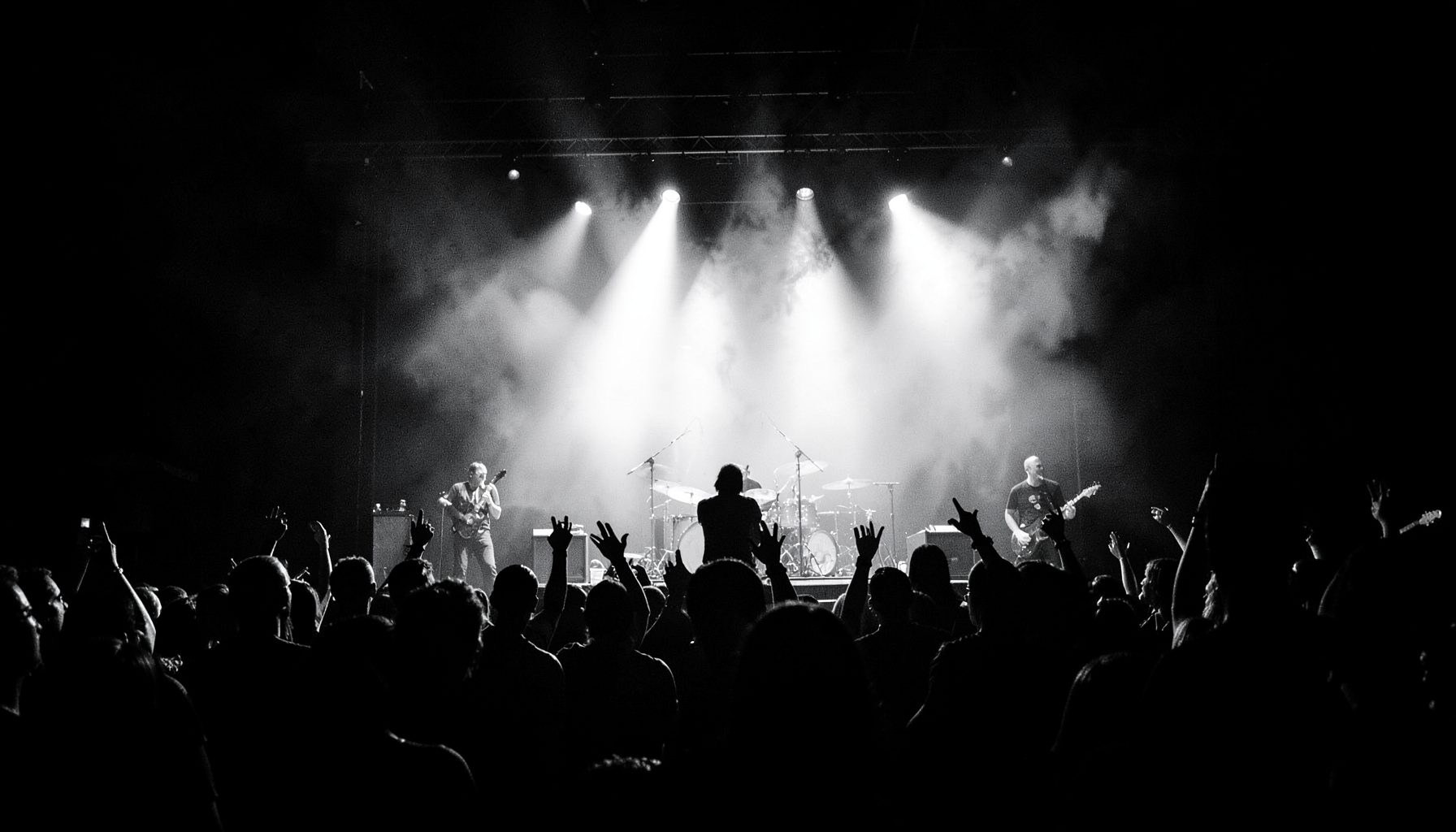
That focus also strengthened EXO’s live identity. Songs from the era required precise synchronization between singing and choreography, particularly when the arrangements shifted quickly. The result was a performance style that looked controlled and effortless even when the underlying material was technically demanding.
A Visual Era With Its Own Language
The visual presentation of Don’t Mess Up My Tempo reinforced its musical direction. The album’s concept combined motorbike imagery, strong primary colors, tailored styling, and a sleek sense of movement. These elements gave the comeback a youthful energy while keeping the overall image polished and mature.
The “Tempo” music video emphasized group formations and performance details rather than relying entirely on narrative. Choreography became part of the song’s rhythmic architecture, with sharp movements reflecting the track’s stops, accents, and changes in pace. The visual editing matched that structure, giving the video the same controlled tension as the audio.
The performance helped make the era memorable beyond the studio recording. EXO’s stage presence turned complex musical ideas into something immediate: a pause became a dramatic gesture, a vocal exchange became a formation change, and the beat became a physical pattern shared by all the members.
The Repackage That Extended The Story
In December 2018, EXO released the Love Shot repackage, adding new songs to the original album. The title track “Love Shot” presented a more minimalist and seductive sound, with a memorable bassline and choreography built around controlled gestures. Its restrained production offered a contrast to the busier rhythmic design of “Tempo.”
The repackage also included “Trauma” and “Wait,” giving the era additional emotional and sonic depth. “Trauma” carried a darker, more polished mood, while “Wait” highlighted the group’s softer vocal qualities. Together, the new tracks showed that the musical world introduced by Don’t Mess Up My Tempo could support multiple moods.
Because of the repackage, the era became larger than a single comeback cycle. It developed from a statement about rhythm and control into a broader portrait of EXO’s late-2010s sound: confident, refined, romantic, and willing to leave room for subtle detail.
What To Hear In The Era Today
- Start with “Tempo” to hear EXO’s vocal harmony, rhythmic switches, and performance-focused production working together.
- Follow it with “Gravity” for a more electronic and urgent interpretation of the album’s forward momentum.
- Play “Ooh La La La” and “Sign” together to compare the record’s bright sensuality with its smoother R&B side.
- Listen to “Smile On My Face” and “Wait” for a quieter view of EXO’s emotional phrasing.
- End with “Love Shot” to hear how the repackage reshaped the era into a sleeker, more minimalist statement.
The lasting importance of Don’t Mess Up My Tempo comes from its balance. EXO did not abandon the vocal power, polished choreography, or dramatic pop production that fans recognized. They refined those elements through more detailed arrangements and a stronger sense of musical control.
For EXO-L, revisiting the album means hearing a group at a crucial creative crossroads. Stream Don’t Mess Up My Tempo, return to the live stages, and explore the Love Shot repackage to experience how this era helped define EXO’s continuing evolution.