
How EXO Turns Concert Design Into Part of the Performance
An EXO concert is built around more than vocals, choreography, and flashing screens. The group’s live productions often treat the stage as a changing world, using platforms, staircases, moving structures, lighting rigs, video walls, and hand-held objects to shape the mood of each song.
These visual choices give performances a stronger narrative. A single stage can become a futuristic city, an abandoned landscape, a royal chamber, or an arena of light within a few minutes. Props and set pieces help EXO move between those settings while preserving the energy of a large-scale K-pop show.
For EXO-L, the result is a concert experience that rewards both immediate excitement and close attention. Costumes may establish a character, but the stage environment gives that character somewhere to exist. Set design turns individual songs into connected scenes and makes memorable moments feel larger than the venue itself.
Building a world around the music
EXO’s concert stages frequently use a central platform as the foundation for visual storytelling. Elevators can raise performers into view, while extended runways bring them closer to fans seated farther from the main stage. These structures change the distance between the group and the audience, making the production feel expansive without losing its personal atmosphere.
Layered platforms are also useful for choreography. Members can appear at different heights, creating clear formations during powerful group numbers. During slower songs, the same levels can produce a more intimate picture, with members seated or separated across the stage rather than moving through a demanding dance routine.
The arrangement of the stage often reflects a song’s emotional direction. A wide, open layout suggests freedom and scale, while narrow corridors, framed entrances, or enclosed platforms can create tension. In this way, the set is not simply a background for EXO’s performances; it helps determine how the audience reads them.
Props that give songs a physical identity
Handheld props are among the most direct ways a concert production adds meaning. Microphones, chairs, umbrellas, staffs, flowers, and other objects can change a performer’s posture and movement. A prop may make a stage feel playful, elegant, dramatic, or theatrical before a lyric has fully established the atmosphere.
Large-scale objects can create an even stronger impression. A vehicle, staircase, suspended element, or sculptural centerpiece gives the audience a visual landmark to remember. When a song returns during an encore or a later tour, fans may associate it with the object that first defined its live presentation.
Props also create opportunities for interaction. Members can pass objects between one another, use them as extensions of choreography, or direct them toward different sections of the crowd. Those gestures make a polished production feel spontaneous, especially when a member turns a planned prop moment into fan service.
Lighting and screens that extend the set
Video walls are essential to EXO’s concert design because they can expand the physical stage beyond its actual boundaries. Animated textures, graphic patterns, close-up footage, and cinematic backgrounds support the concept of each performance. A song with a bright, youthful mood may use saturated colors and quick transitions, while a dramatic number may rely on shadows, smoke, or slow-moving imagery.
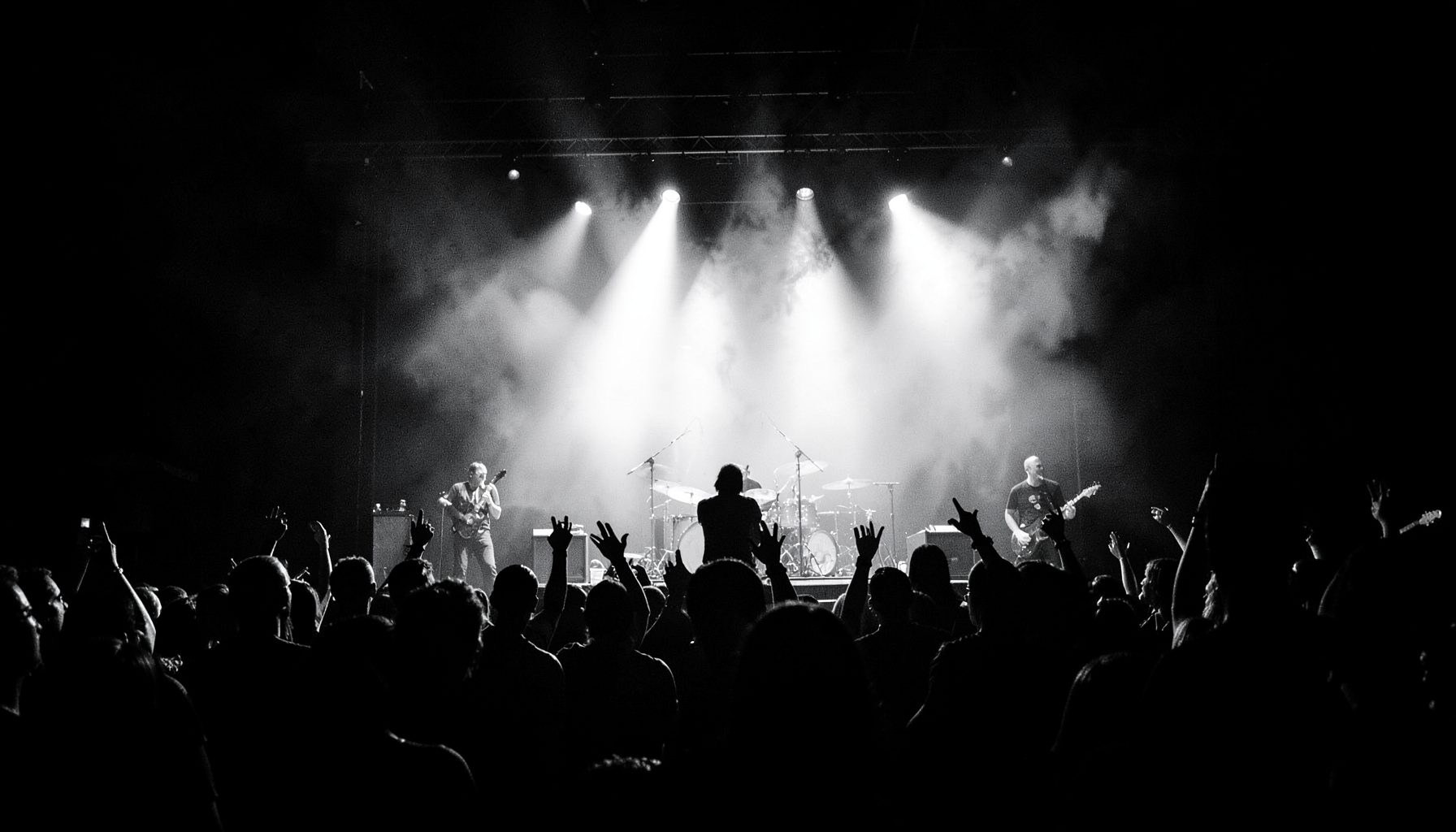
Lighting works alongside those screens rather than competing with them. Narrow beams can isolate a single member, sweeping lights can make the audience part of the performance, and synchronized flashes can emphasize a dance break. Changes in color often signal a shift in emotional tone before the performers make any obvious movement.
The strongest visual effects are usually timed with the music. A platform rises at a musical peak, a screen changes when the chorus arrives, or a burst of light follows a choreography highlight. This synchronization makes the concert feel carefully composed, allowing stage technology to function as part of the arrangement.
| Production element | Effect on the performance | Best suited to |
|---|---|---|
| Moving platforms | Adds height, surprise, and visual scale | Group openings and climactic songs |
| Extended runways | Brings members closer to different audience sections | Fan interaction and upbeat tracks |
| LED screens | Creates locations, textures, and story context | Concept-heavy performances |
| Handheld props | Adds character and theatrical movement | Solo stages and dramatic songs |
| Color-based lighting | Signals shifts in emotion and energy | Ballads, dance breaks, and transitions |
| Smoke and haze | Softens the stage and highlights beams of light | Intense choreography and atmospheric songs |
Creating contrast between spectacle and intimacy
A well-paced EXO concert does not maintain the same visual intensity from beginning to end. Huge set pieces and bright effects are often balanced with simpler arrangements. A dark stage, a single spotlight, or a small acoustic setup can command attention because it removes distractions and places the focus on the members’ voices.
This contrast gives spectacle greater impact. When a full stage opens after a restrained song, the change feels dramatic. Likewise, a quiet segment can become more meaningful after several high-energy performances filled with flashing lights, complex choreography, and moving platforms.
Intimate staging also supports the relationship between EXO and EXO-L. Members may stand at the edge of the runway, sit on the main stage, or perform with minimal scenery while speaking to fans. These moments make the arena feel smaller and remind the audience that the production exists to support a shared live experience.
Matching set design to different concert eras
Each EXO tour develops its own visual language. Earlier concert productions established the group’s large-scale performance identity through strong formations, dramatic entrances, and futuristic staging. Later tours could build on that foundation with more elaborate screens, modular platforms, and transitions designed around a mature discography.
The set list influences those choices. A concert covering several albums needs visual shifts that separate eras without making the show feel disconnected. Changes in color palette, video treatment, or stage architecture can help distinguish a bright pop track from a darker performance while keeping both within the same production world.
Encore stages often reveal another side of the design. Formal set pieces may give way to rolling platforms, casual styling, bright lighting, and open movement around the venue. The emphasis shifts from spectacle to celebration, allowing EXO-L to participate through singalongs, waving light sticks, and direct interaction with the members.
Why the details stay with EXO-L
Fans often remember a concert through specific images: a member rising from beneath the stage, a line of performers framed by colored beams, a runway surrounded by light sticks, or a prop used during a favorite song. These details become part of the personal archive that fans carry through photos, fancams, official videos, and concert discussions.
Set design also creates visual continuity between live stages and EXO’s broader artistic identity. Concepts from music videos, album packaging, choreography, and fashion can reappear in the concert environment. When those elements align, the show feels like an extension of the group’s music rather than a separate event.
The most effective production choices serve the performers instead of overwhelming them. Technology may attract attention, but timing, composition, and emotional purpose determine whether a visual moment works. EXO’s strongest concert designs understand when to fill the arena and when to leave enough space for a voice, a gesture, or a shared look to carry the scene.
Details worth watching in a live stage
- Track how the stage changes between the opening set, individual performances, and the encore.
- Notice whether screens illustrate the lyrics, establish a location, or simply amplify the song’s mood.
- Watch how members use platforms and runways to change their relationship with different audience sections.
- Compare the color palette and lighting cues across songs from different album eras.
- Look for small props or transition details that connect one performance segment to the next.
EXO’s concert production shows how physical space can become part of musical storytelling. Platforms establish scale, props add character, screens create alternate worlds, and lighting guides the audience through every emotional turn. Together, these elements make the live experience more vivid while leaving room for the members’ individual presence.
Explore EXO performance videos, concert photos, tour memories, and stage-focused coverage on EXO-L, and revisit the visual moments that continue to define the group’s live legacy.