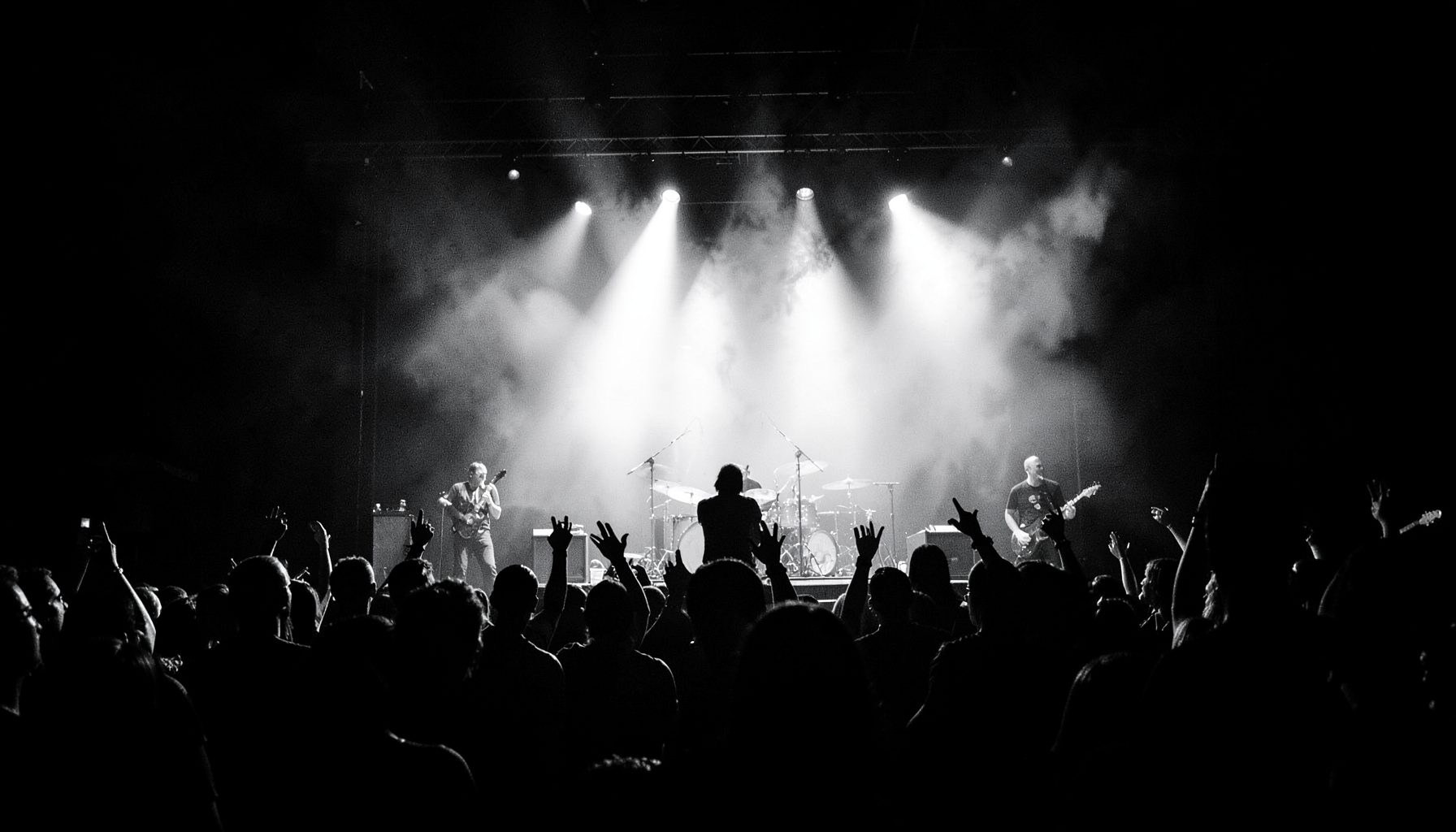


How EXO’s Sign Killed on the Japanese Stage
EXO’s “Sign” is the kind of track that can sound sleek and controlled on record, then reveal a much bigger personality in concert. Released on Don’t Mess Up My Tempo, the song combines a tense electronic groove with sharp vocal lines, clipped rhythms and a performance style built around restraint. On a Japanese stage, those qualities became especially powerful.
The song did not need a huge singalong hook to command attention. Its appeal came from the details: the low-register delivery, the clean formations, the dramatic pauses and the way EXO could turn an arena into something closer to a late-night club. For EXO-Ls following the group through Japanese concerts, “Sign” became a standout performance because every movement appeared deliberate.
The Song’s Built-In Live Energy
“Sign” begins with attitude rather than volume. Its production leaves room for the members’ voices to sit clearly above the beat, giving the opening an almost conversational confidence. That controlled entrance made the live version feel dangerous without becoming chaotic.
The chorus brings a heavier pulse, yet the performance never loses its polished edge. EXO used small changes in posture, eye contact and timing to create tension. Instead of rushing towards a spectacular climax, the stage held its shape and allowed the audience to focus on each beat.
That approach suited Japanese concert culture. In a large venue such as Saitama Super Arena or Kyocera Dome Osaka, a song needs a strong visual identity to travel across the room. “Sign” had one immediately: dark, stylish and precise.
Why Japan Added Extra Impact
Japanese EXO concerts often place strong emphasis on presentation. Set transitions, lighting cues, screen graphics and member introductions are carefully arranged, creating a complete evening rather than a loose collection of songs. “Sign” fitted comfortably into that structure because it could function as both a vocal showcase and a dance-heavy performance number.
The Japanese market also rewards consistency. Fans who attend multiple dates may notice a changed gesture, a different vocal emphasis or a new exchange between members. That gives a track like “Sign” room to grow across performances. Its tightly arranged foundation leaves space for personality without making the song feel improvised.
There is also the scale of Japanese touring. A performance designed for an arena or dome has to remain readable from the back rows. The song’s clean silhouettes and strong rhythmic accents helped it land at venues where subtle stage details might otherwise disappear.
Vocals That Stay Cool Under Pressure
The vocal arrangement is central to the song’s live appeal. EXO moved between smooth lines, forceful accents and layered harmonies, creating contrast without breaking the track’s mood. The members did not need to oversell the lyrics; a controlled tone often made the performance feel more confident.
That balance is difficult in a concert setting. Choreography, travel between stage sections and the demands of a long set can all affect breath control. “Sign” exposed those pressures, which made strong live delivery feel even more impressive. When the vocals stayed steady through the dance breaks, the performance gained credibility.
The song also gave different members distinct moments. Rather than treating the group as one uniform sound, the arrangement highlighted contrasting colours: deeper tones, brighter upper registers and the blended harmonies that define EXO’s identity. Japanese audiences could appreciate those details even amid a large production.
Choreography With A Sharp Edge
The choreography for “Sign” matched the music’s clipped rhythm. Movements arrived with precision, often stopping as quickly as they began. That stop-start quality created a sense of suspense, as though the performers were always one beat away from breaking the song open.
The group’s formation work was equally important. EXO often shifted attention from a central performer to the full line, then back again. This made the stage feel active without filling every second with large gestures. The restraint gave the choreography a mature, fashion-forward quality.
Lighting strengthened the effect. Narrow beams, darker colour palettes and sudden changes in brightness could underline the song’s transitions. When the stage design trusted the beat instead of covering it with visual noise, “Sign” looked especially formidable.
The Audience Made The Moment Bigger
A Japanese EXO crowd brings its own performance language. Penlights move in coordinated waves, fan chants arrive at familiar points and the audience responds closely to pauses. That reaction can make a controlled song feel even more intense, because silence and movement become part of the arrangement.
For EXO-Ls, “Sign” was also a chance to appreciate the group away from its most obvious title-track spectacle. The song had enough attitude to feel instantly memorable, but it rewarded fans who watched for small changes in expression and delivery. A member’s glance towards the camera or a brief pause before the next formation could become a favourite concert memory.
The atmosphere was different from an Australian festival crowd, where people may sing loudly, move between areas and experience several acts in one day. In Japan, a dedicated EXO concert audience could give the song sustained attention from its opening beat to its final pose.
Reading The Performance From Australia
Australian fans can recognise why “Sign” worked so well, even if the local concert environment has its own rhythm. A performance at Sydney’s Qudos Bank Arena, Melbourne’s Rod Laver Arena or Brisbane’s entertainment precinct would face different sightlines and crowd habits, yet the song’s strong beat and clear formations would translate easily.
The Australian K-pop market is also shaped by distance and limited tour dates. Fans often travel between cities, compare setlists online and keep an eye on resale prices when official tickets disappear quickly. That makes a standout stage especially valuable: one memorable performance can dominate fan discussions long after the show.
There is a distinct Australian way of describing a stage that lands. Fans might call it “a ripper,” say the group “went off,” or describe the production as “properly slick.” “Sign” earned that kind of reaction because it balanced polish with bite. It felt sophisticated without becoming distant.
For fans watching clips from home, time zones add another layer. A Japanese concert may take place while Sydney or Perth supporters are asleep, leaving social media updates, fancams and translated posts to fill in the gaps by morning. The performance’s visual clarity made it particularly easy to relive through short clips.
What Made The Stage Memorable
The impact of “Sign” came from several elements working together rather than one oversized trick. Its production established the mood, the vocals gave it authority, and the choreography supplied the physical tension. Japanese staging then expanded those strengths across a large venue.
| Element | Effect on the Japanese stage | Why it mattered to EXO-Ls |
|---|---|---|
| Electronic groove | Created a steady, dramatic pulse | Made the performance instantly recognisable |
| Vocal contrast | Added depth between sections | Highlighted each member’s character |
| Tight choreography | Made every beat visible | Kept the song readable in large venues |
| Dark visual styling | Reinforced the mature mood | Gave the stage a strong identity |
| Audience response | Turned pauses into tension | Made fans part of the performance |
| Concert scale | Expanded the song’s impact | Allowed the details to reach arena audiences |
Details Worth Watching In A Replay
- The controlled opening, where the members establish the mood before the chorus arrives.
- The contrast between smooth vocal passages and sharper rhythmic accents.
- Formation changes that redirect attention without interrupting the song’s flow.
- Lighting shifts that make pauses feel deliberate rather than empty.
- Individual expressions and gestures that reveal the members’ performance styles.
- The audience’s penlights and fan chants adding movement around the stage.
“Sign” killed on the Japanese stage because it understood the value of control. EXO did not need to turn every moment into a maximalist spectacle; the song’s confidence came from precision, atmosphere and vocal command. For Australian EXO-Ls revisiting the performances through concert footage, it remains a clear example of how a studio track can become something sharper and more alive in front of a crowd.
Keep the performance in rotation, compare different live clips and share the moments that still stand out with the EXO-L community. “Sign” deserves to be remembered as one of EXO’s sleekest and most commanding concert stages.