How EXO’s Overdose Built Suspense Through Stage Design
EXO’s “Overdose” arrived in 2014 with a visual identity that felt controlled, secretive and slightly dangerous. The song’s sharp electronic production was matched by performances that treated the stage as a psychological space rather than a simple backdrop. Every light, formation and camera angle helped create the feeling that something was about to happen.
The suspense came from restraint. Instead of filling every moment with colour or movement, EXO’s performances used darkness, narrow beams, geometric shapes and sudden changes in focus. The members could appear trapped inside a pattern one moment, then break through it with a dramatic formation change.
For Australian EXO-Ls, that atmosphere was especially easy to appreciate through music videos, televised performances and fan-uploaded concert footage. Whether watched late at night in Sydney, Melbourne or Perth, “Overdose” offered a stage world that rewarded repeated viewing and close attention.
| Stage element | Effect on the audience | Connection to the song |
|---|---|---|
| Dark palette and focused lighting | Creates mystery and anticipation | Reflects the song’s dangerous, addictive mood |
| Geometric formations | Suggests restriction and control | Echoes the idea of being caught in a cycle |
| Sudden formation changes | Breaks visual predictability | Matches the track’s sharp rhythmic shifts |
| Tight camera framing | Directs attention to expressions and gestures | Makes the performance feel intimate and intense |
| Repeated visual motifs | Builds recognition and tension | Reinforces the obsessive theme of “Overdose” |
A Stage That Felt Like A Maze
The “Overdose” music video established a world of corridors, angular structures and enclosed spaces. Its maze-like design did more than provide a memorable setting. It gave the song a physical metaphor: the characters were moving through a system that looked elaborate, but offered no obvious escape.
That idea carried into live performances. The stage often appeared divided into sections through lighting, floor marks and carefully arranged bodies. EXO’s choreography could make the members look like separate pieces of a larger machine, with each transition revealing a new shape without completely releasing the tension.
The maze effect was powerful because the audience could understand the space without seeing everything clearly. Shadowed areas suggested that something remained hidden, while bright areas briefly exposed a member or formation. Suspense grew from the gaps between those moments.
Darkness Made Every Movement Matter
Many K-pop performances compete for attention with bright screens, elaborate costumes and constant camera movement. “Overdose” took a more selective approach. Its darker stage design allowed a single arm movement, head turn or step forward to carry unusual weight.
The choreography by Tony Testa was central to this effect. The movements were precise and often angular, with lines that looked almost mechanical. When the members moved together, the unity was striking; when one member separated from the group, the change felt deliberate rather than casual.
This visual discipline also suited the song’s lyrics and vocal delivery. The music describes overwhelming attraction as something difficult to resist, so the performance needed to look controlled even when the emotional subject was intense. The tension came from watching polished performers suggest that control was beginning to fail.
Geometry Turned Formation Into Storytelling
The most recognisable “Overdose” stages used geometry as a kind of visual language. Lines, diagonals and compact clusters made the group appear caught inside a design. Rather than standing in a standard row, the members repeatedly created shapes that opened, folded and reassembled.
These transitions worked like scenes in a short drama. A closed formation could represent confinement, while a split formation created the expectation of escape. The audience was trained to notice the next change, and that expectation made even a pause feel charged.
The effect was particularly strong in the group’s mirrored performance style. EXO-K and EXO-M presented the song in Korean and Mandarin, and the two-unit structure added another layer of visual doubling. Fans could compare versions while recognising the same central language of symmetry, repetition and controlled movement.
Lighting Controlled What Fans Could See
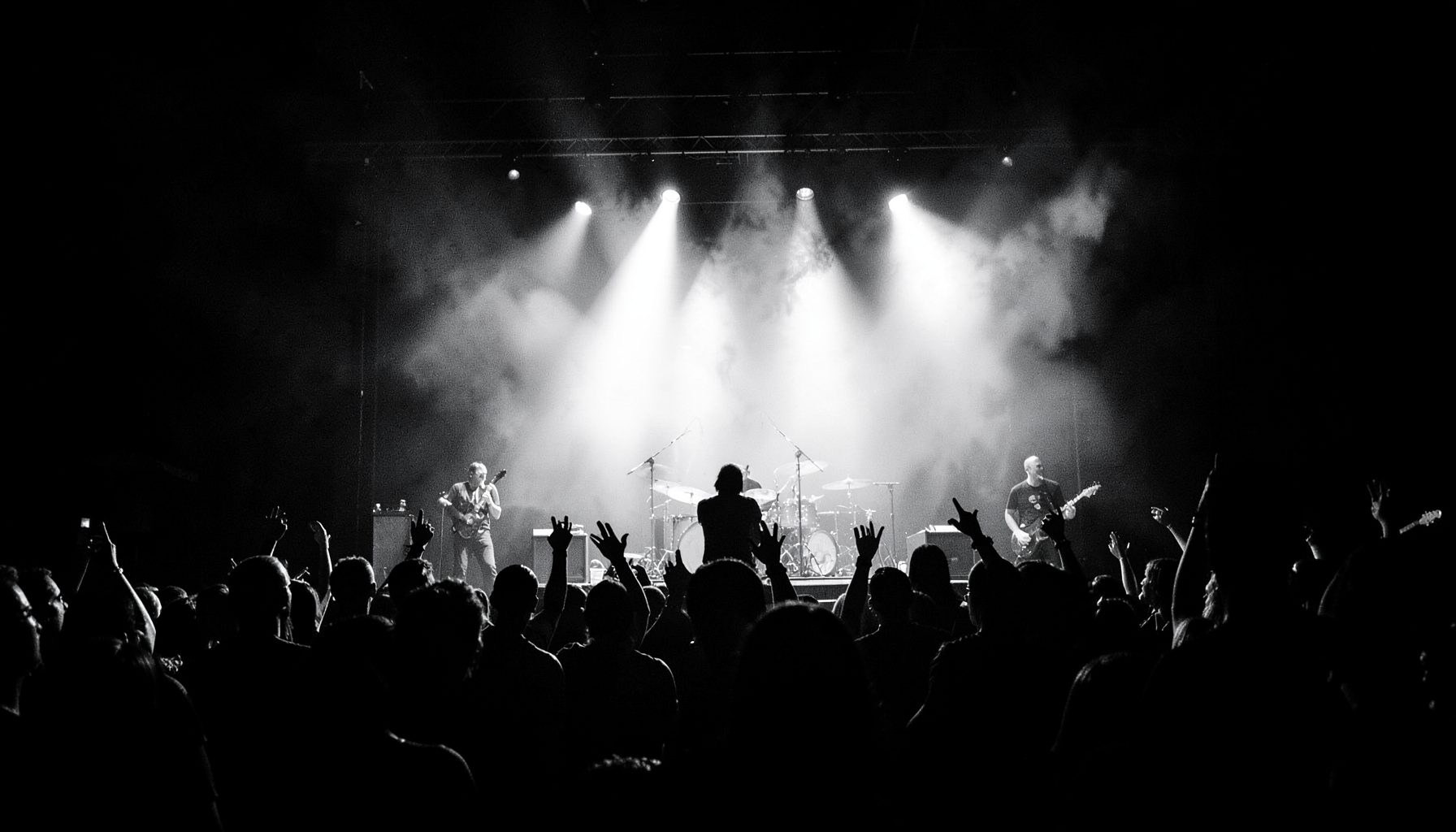
Lighting design shaped the performance almost as much as the choreography. Narrow spotlights isolated members, while backlighting turned the group into silhouettes. This prevented the stage from becoming visually flat and gave the camera clear moments to discover.
A sudden lighting shift could change the emotional temperature without altering the choreography. A dark stage made the opening feel secretive; a burst of brightness made a chorus hit with greater force. The contrast created a push and pull between concealment and revelation.
That approach translated well to screen, which mattered to international fans who experienced “Overdose” through YouTube, television clips and social media rather than a nearby arena. An EXO-L watching from a flat in Melbourne or a share house in Brisbane could still feel the performance’s scale because the lighting was designed around strong, readable contrasts.
Visual Details That Created Tension
- Black and red styling suggested danger without overwhelming the choreography.
- Focused beams directed attention to individual members at key moments.
- Shadowed spaces made the stage appear larger and less predictable.
- Repeated diagonal lines gave the performance a restless, unstable quality.
Camera Work Turned The Audience Into A Witness
The stage design became even more suspenseful through camera direction. Wide shots showed the full geometry of EXO’s formations, while close-ups captured expressions that suggested confidence, urgency or restraint. Moving between those perspectives changed how the audience understood the same moment.
A wide shot made the members look like parts of a designed structure. A close-up made the performance personal, bringing the song’s seductive intensity directly to the viewer. This movement between distance and intimacy is a key reason “Overdose” remained compelling in recorded performances.
Fan-edited clips and performance compilations also helped preserve that tension. Australian fans often watched official videos alongside Korean music-show stages, concert recordings and dance practice footage. Each version revealed a different balance between set design, choreography and facial performance.
Repetition Made The Suspense Last
“Overdose” depended on repeated patterns, but repetition did not make the stages feel predictable. Instead, familiar gestures and formations became cues. Once viewers recognised a particular transition, they began waiting for it, and the anticipation became part of the experience.
The song’s title provided the clearest conceptual link. An overdose suggests excess, compulsion and a loss of moderation. The performance expressed those ideas through cycles: members returned to related positions, movements echoed earlier gestures and the visual environment seemed to pull them back into its structure.
For fans in Australia, that repeat-viewing culture was important. EXO did not have the same regular local television presence as some Western pop acts, so supporters relied on online releases, fan communities and imported albums. A performance could circulate for weeks across Sydney and Melbourne fan groups, with viewers comparing which broadcast had the strongest camera work or most dramatic lighting.
Moments Worth Revisiting In A Performance
- The first full-group formation after the opening vocal lines.
- The shift from a tight cluster into wider diagonal lines.
- Close-ups that interrupt the otherwise mechanical movement.
- The final sequence, where repetition feels more intense than resolved.
Why The Design Still Feels Modern
The stage design of “Overdose” remains effective because it supports the song instead of competing with it. The sets are memorable, but the central focus stays on movement, expression and the relationship between the members. Nothing feels decorative without also contributing to the mood.
Its influence can be seen in the way later K-pop performances use enclosed spaces, symbolic lighting and formations that behave like characters. “Overdose” demonstrated that a group could create a large-scale spectacle through disciplined choices rather than visual overload.
That restraint is also why the performance continues to reward high-definition rewatching. Details in the hands, shoulders, spacing and lighting cues become clearer each time. For an EXO-L watching from an Australian time zone, perhaps after a concert stream or while browsing old performance archives, the suspense still builds because the design leaves room for discovery.
EXO’s “Overdose” was more than a song performed beneath attractive lights. It was a carefully arranged visual system in which darkness concealed, geometry restricted and choreography hinted at escape. The stage did not simply present the music; it made the music’s addictive tension visible.
Explore EXO’s performance archive on EXO-L, revisit the “Overdose” music video and compare the different live stages that shaped this era. Share the details you notice in the fan community, from a favourite formation change to the lighting cue that still gives the performance its edge.