

EXO’s “Tempo” Acapella Version: Vocal Layering Explained
EXO’s “Tempo” is built around a clever contrast. Its production moves between sleek R&B, trap-influenced rhythm, bright pop hooks, and a striking vocal passage with the instrumental pulled away. That change exposes how carefully the members’ voices are arranged, making the song a useful example of layered K-pop vocal production.
The famous acapella section is often discussed as though it were a separate full-length release. In practice, its impact comes from the vocal-only bridge within the original track, along with fan-made and performance-focused versions that isolate the singing. Removing the beat reveals details that can disappear beneath the bass, percussion, and synths.
Listening closely to “Tempo” means hearing each voice as part of a larger design. The arrangement depends on lead vocals, harmony stacks, rhythmic syllables, low supporting tones, vocal doubles, and ad-libs working together with remarkable precision.
Why The Vocal-Only Passage Stands Out
Most of “Tempo” is driven by a polished instrumental framework. The bass gives the song its physical movement, the drums reinforce its groove, and electronic textures create a modern, high-gloss atmosphere. When those elements disappear, the listener suddenly hears the human timing behind the track.
The acapella bridge also changes the perceived scale of the song. Instead of sounding like a group performing over a large production, EXO seems to build the arrangement from the voices outward. Short phrases overlap, harmonies answer the main melody, and rhythmic vocal sounds replace the percussion that had previously carried the beat.
This contrast is important because it makes the return of the instrumental feel larger. The vocal-only moment is not simply a break from the production; it prepares the ear for the next section by creating tension and spotlighting the group’s ensemble identity.
The Main Layers In “Tempo”
At the center of the arrangement is the lead melody. A primary singer delivers the lyric and establishes the emotional direction, while other members occupy supporting positions around that line. The lead does not have to be the loudest sound at every moment; its role is to remain recognizable while the surrounding voices add color and depth.
A second layer often comes from doubled vocals. These may repeat the same words or follow the lead closely, giving certain phrases greater weight. In a studio recording, doubles can be panned slightly, blended beneath the main take, or treated with subtle effects so that the vocal sounds wider without becoming obviously multiplied.
Harmony layers provide the most recognizable thickness. Upper harmonies brighten sustained notes, while lower harmonies add warmth and stability. The arrangement also uses short responses and background phrases, allowing the vocals to function like a miniature rhythm section rather than a single melodic line.
How EXO’s Voices Occupy Different Roles
The group’s vocal contrast helps “Tempo” remain detailed even when several voices appear together. Baekhyun, Chen, and D.O. bring distinctive power and tonal identities to the higher-impact melodic sections, while Suho and Xiumin contribute contrasting textures that help connect lines and harmonies. The result is a blend rather than a single uniform vocal color.
The lower and more conversational parts are equally important. Rap-focused passages from Chanyeol and Sehun create rhythmic definition, while Kai’s vocal presence adds another tonal shade to the arrangement. These sections prevent the song from becoming a continuous display of high notes and give the chorus greater shape when it returns.
In the acapella passage, the listener can compare vocal placement more clearly. Some parts sit forward and carry the phrase, some remain tucked behind as harmonic support, and others act almost like percussive accents. The arrangement is successful because every contribution has a specific job.
| Vocal element | What it contributes | What to listen for |
|---|---|---|
| Lead melody | Carries the lyric and main musical idea | Clear diction, sustained notes, emotional emphasis |
| Vocal doubles | Thickens important phrases | Slight width and extra weight around the lead |
| Upper harmony | Adds brightness and lift | Notes hovering above the main melody |
| Lower harmony | Supplies warmth and grounding | Fuller sound beneath sustained phrases |
| Rhythmic syllables | Replaces or reinforces percussion | Tight consonants and repeated vocal patterns |
| Ad-libs | Adds movement and personality | Runs, exclamations, and responses near phrase endings |
| Group blend | Unifies different vocal colors | A single chord-like sound created by several members |
The Role Of Consonants And Rhythm
Acapella singing exposes timing in a way that an instrumental mix can conceal. Consonants become part of the groove: crisp “t,” “k,” and “s” sounds can function like hi-hats or snare details. If one syllable arrives too early or too late, the entire vocal pattern becomes less convincing.
“Tempo” uses this rhythmic precision to keep the vocal-only section energetic. The singers are not simply holding long harmonies. They are placing compact syllables into carefully measured spaces, creating forward motion without relying on drums.
This is also why studio editing matters. Multiple takes must be aligned closely, while individual voices still need to retain natural phrasing. Too much correction can make the blend sterile; too little can make the stacked parts sound loose. The finished recording balances human character with exact pop production.
Studio Production Behind The Acapella Sound
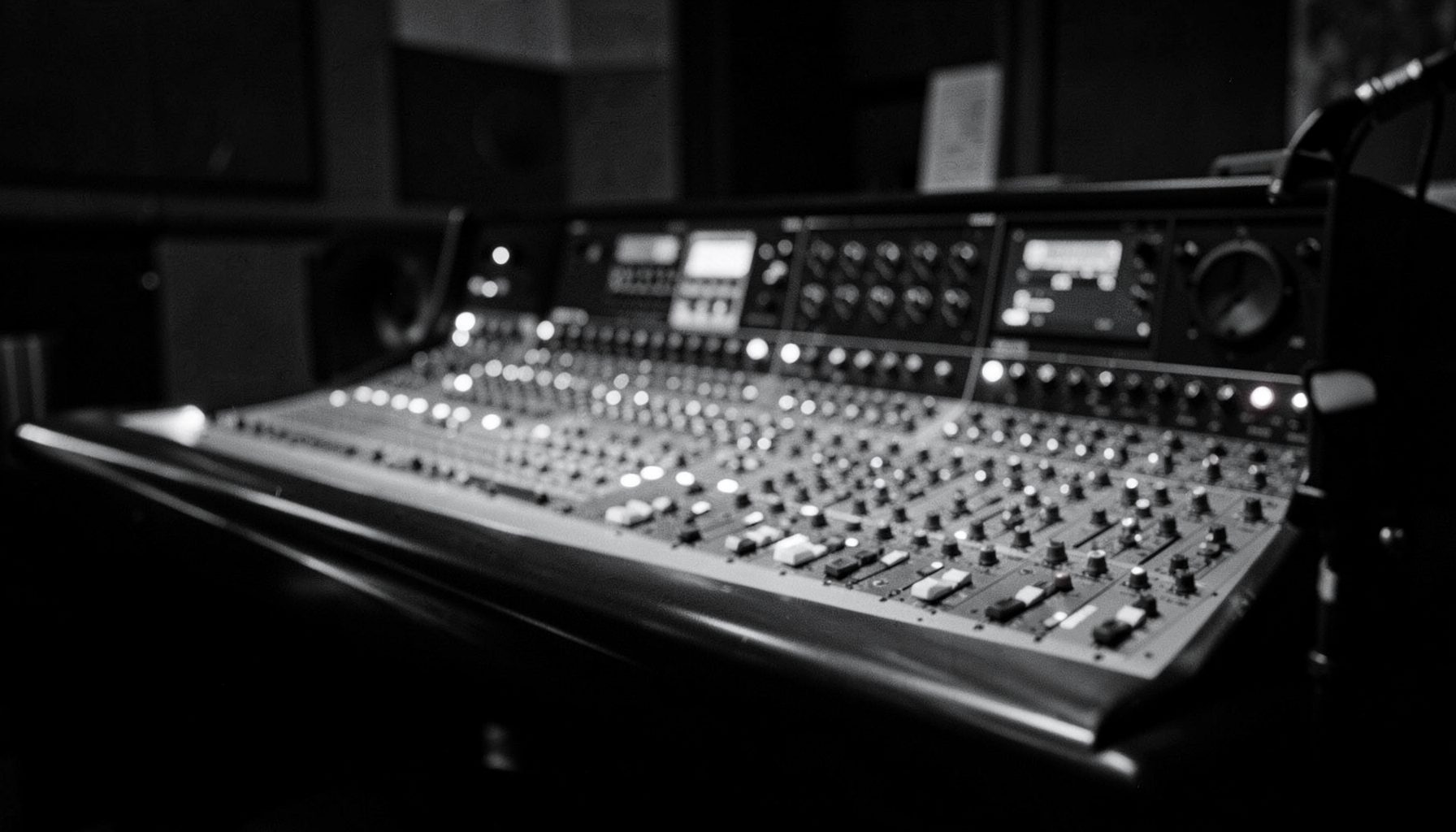
A vocal stack is shaped during recording and mixing. Engineers choose microphones, manage breath and sibilance, adjust volume between members, and apply effects that help separate or combine the voices. Reverb can make a harmony feel farther away, while a drier lead vocal usually stays closer to the listener.
Equalization is another key part of the process. Competing low frequencies may be reduced so that the bass vocal remains clear, while carefully controlled high frequencies help the upper harmonies sparkle. Compression keeps volume changes consistent, allowing quiet support vocals to remain audible without overpowering the main line.
The apparent simplicity of the acapella version therefore hides considerable production work. A vocal-only mix is not automatically raw or untouched. It can involve editing, tuning, layering, stereo placement, and effects designed to make every component read clearly.
Why The Arrangement Matters To EXO Fans
For EXO-Ls, the vocal section has become one of the defining features of “Tempo” because it demonstrates the group’s identity as a vocal ensemble. The moment rewards repeated listening: a first pass may reveal the main melody, while later plays uncover a low harmony, a background response, or an ad-lib placed at the edge of the mix.
It also offers a useful way to understand the balance between individual members and group performance. Each singer retains a recognizable tone, yet the arrangement often asks those tones to merge into a unified chord. That combination of individuality and blend is central to EXO’s appeal across studio tracks, live stages, and special performance videos.
The section has also encouraged fan analysis through lyric videos, vocal-isolation edits, cover arrangements, and live comparisons. These formats make the structure easier to study, while the original recording remains the clearest example of how the layers were designed to work inside the complete song.
Listen For These Details
- Follow the main melody first, then replay the passage while focusing only on the highest harmony.
- Listen to consonants and short syllables as rhythmic instruments rather than treating them as ordinary lyrics.
- Compare the vocal-only section with the full mix to hear which instrumental parts the voices temporarily replace.
- Notice how the return of the beat changes the perceived size and intensity of the vocal arrangement.
- Use live performances and official audio to compare studio layering with real-time vocal blending.
The lasting appeal of “Tempo” comes from this precision. Its acapella passage turns the spotlight toward breath, pitch, timing, harmony, and tone, revealing the architecture beneath an instantly memorable K-pop track. Revisit the song with headphones, follow each layer from the bridge into the final sections, and share your favorite vocal detail with the EXO-L community.