Inside the beat and dance break of EXO Run This
Run This lands as one of EXO's most kinetic releases, pairing a sub-heavy instrumental with choreography that has been dissected frame by frame across TikTok and YouTube. The track leans hard into a four-on-the-floor kick pattern, then detonates into a dance break that has been imitated by dance cover crews from Sydney to Seoul. In Sydney and Melbourne, where K-pop dance covers are a fixture of weekend markets and university clubs, the routine has become something of a rite of passage.
What makes Run This stick is not the exaggeration of any single element. The song pushes a low-end groove against staccato synths and brass stabs, then lets the dancers own the silence before the drop. The dance break is not merely an interlude; it is the structural pivot of the entire song, a moment where the producers hand the wheel to the performers and the beat almost vanishes to spotlight movement.
The production backbone
The instrumental opens with a filtered kick that slowly opens its high-pass filter across the first eight bars, drawing the listener in like a tide. By the time the verse arrives, a pulsing sub-bass sits underneath a tight hat pattern that snaps on the offbeat. Producers working on Run This reportedly treated the rhythm almost like a drummer working an arvo rehearsal — patient, deliberate, building muscle memory into every listener.
The pre-chorus layers in a rising synth motif that climbs a minor third, then resets. This is a classic tension-and-release pattern, but the engineers inject an additional riser — a filtered white-noise sweep — to widen the dynamic gap between sections. It is the kind of trick that makes a song translate convincingly across festival PA systems and bedroom speakers alike.
Listen closely and you will hear the kick drift slightly ahead of the grid during the second verse, a humanised touch that gives the beat an organic sway. It is a small detail, but one that Australian choreographers often point out when teaching the routine, because it forces dancers to lean into the groove rather than count rigidly.
Rhythm, layering, and sonic architecture
The rhythm section of Run This is a four-part conversation: kick, snare, hat, and bass synth talk over each other in tightly woven call-and-response phrases. The snare hits are dry and close-mic'd, almost boxy, which lets them cut through the dense harmony stack without sounding brittle. Bass duties are split between a sustained sine sub and a rhythmic square wave that punches on every downbeat of the chorus.
The chord progression borrows from the minor-key house tradition, but the harmonic rhythm is glacial. Chords change every two bars, allowing the top-line melody — sung by the vocalists in tightly harmonised arrangements — to stretch and breathe. When the bridge arrives, a gospel-tinged chord stack lifts the arrangement sky-high before the dance break lands.
The dance break itself is introduced nearly stripped of percussion. Just a shaker and a distant reverb-soaked clap remain, giving the dancers aural real estate. This is where Run This earns its reputation: the choreography does not have to fight the music, because the music politely steps aside.
For fans who want to dig deeper into how EXO weaves seasonal releases and stage-ready tracks into their calendar, the holiday specials guide walks through how production choices shift across comebacks.
| Section | Length (bars) | Dominant instrumentation | Dance intensity |
|---|---|---|---|
| Intro | 8 | Filtered kick, riser | Low |
| Verse 1 | 16 | Sub bass, tight hat | Moderate |
| Pre-chorus | 8 | Rising synth motif | Moderate-high |
| Chorus | 16 | Full beat, brass stabs | High |
| Dance break | 16 | Shaker, clap, sub drop | Peak |
| Bridge | 8 | Gospel chord stack | Moderate |
| Final chorus | 16 | Full beat + counter-melody | High |
The dance break choreography
The dance break of Run This is built around a single recurring shape: a low-slung crouch that explodes upward into a leap, then resets. Choreographers have likened it to a coiled spring — tension loaded into the floor, energy released into the air. The dancers hit this shape in unison, then break into a staggered formation that ripples across the stage like movement through a Melbourne laneway crowd.
Footwork is minimal but precise. Heel-toe pivots and isolated hip shifts dominate, allowing the upper body to remain relatively still while the legs do the heavy lifting. This creates a visual contrast that photographs beautifully, which is partly why fancams of the dance break circulate so widely — the silhouettes read clearly even on small phone screens.
The arm patterns are equally deliberate. Sharp stops at chest height frame the face during the lift, then hands sweep upward as the bass drops back in. It is choreographed with intent, yet still leaves room for individual expression in the final eight counts.
Live performances and stage energy
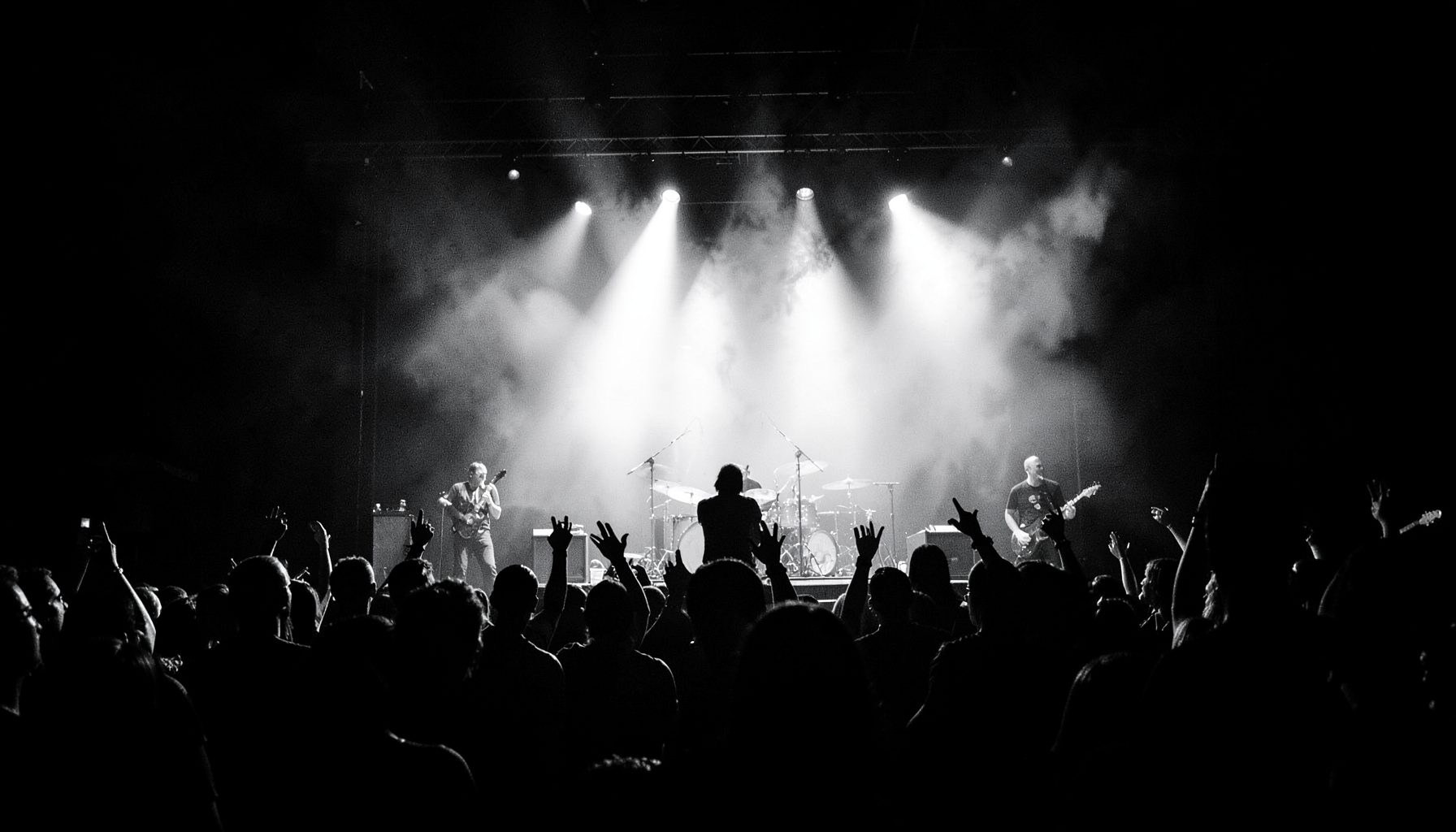
On stage, Run This transforms. Live drums replace programmed kicks in some concert arrangements, giving the beat a warmer, more dynamic quality. The dance break stretches slightly as the dancers feed off the crowd, and audiences from Brisbane to Perth respond with matching intensity. At K-pop showcases staged in Australian capital cities, the routine routinely turns a thousand strangers into one synchronised chorus of fans.
Lighting plays a crucial role. Strobes fire on every snare hit during the dance break, syncing perfectly with the dancers' freezes. The result is a strobing, cinematic sequence that reads like a film cut in real time — a technique borrowed from concert lighting traditions that local production crews in Sydney have adopted for K-pop-themed nights.
Fan chants during the dance break are carefully coordinated. The "EXO-L, let's go" call is timed to the shaker pattern, turning the audience into a percussive extension of the song. Australian fanbases have embraced this wholeheartedly, with local chapters organising chant workshops ahead of major tour stops.
Cultural footprint and fan reception
Run This has become a benchmark for power tracks in the wider K-pop landscape. Dance covers flood social feeds within hours of any comeback teaser, and Australian cover crews from Adelaide to the Gold Coast have built their identities around mastering the dance break. The track streams heavily on Spotify Australia year-round, often climbing back into local viral charts during EXO's anniversary months.
Critics have praised the song's structural clarity. Unlike many modern tracks that pile arrangement on top of arrangement, Run This knows when to pull back. The dance break acts as both climax and breather, a structural move that newer groups have tried to imitate without capturing the same spark.
Ways to engage with the track
- Pull up the instrumental-only mix and clap along to the dance break to internalise the rhythm.
- Watch multiple fancam angles side by side to study the dancers' weight distribution during the leap sequence.
- Try learning the choreography in sections — verse footwork, chorus arm patterns, dance break — then stitch them together over a weekend.
- Compare the studio version to live concert recordings to hear how the beat shifts under live drums.
- Join a local K-pop dance meet-up in your city — Sydney, Melbourne, Brisbane, and Perth all host regular sessions where you can drill the routine with others.
- Stream the track on high-quality audio settings; the sub-bass layering rewards decent headphones or a half-decent sound system.
Run This rewards the listener who treats the beat and the dance break as twin engines rather than separate elements. Replay the production, study the choreography, and let the rhythm teach your body what your ears already know. Tap the link in our sidebar to keep up with every EXO release as it drops.