

EXO’s New Album Recording Diary: Inside the Studio Sessions
An EXO album begins long before teaser images, tracklists, and polished music videos reach fans. In the recording studio, the process is quieter and more detailed: melodies are tested, harmonies are reshaped, lyrics are refined, and individual performances gradually become part of a larger sound.
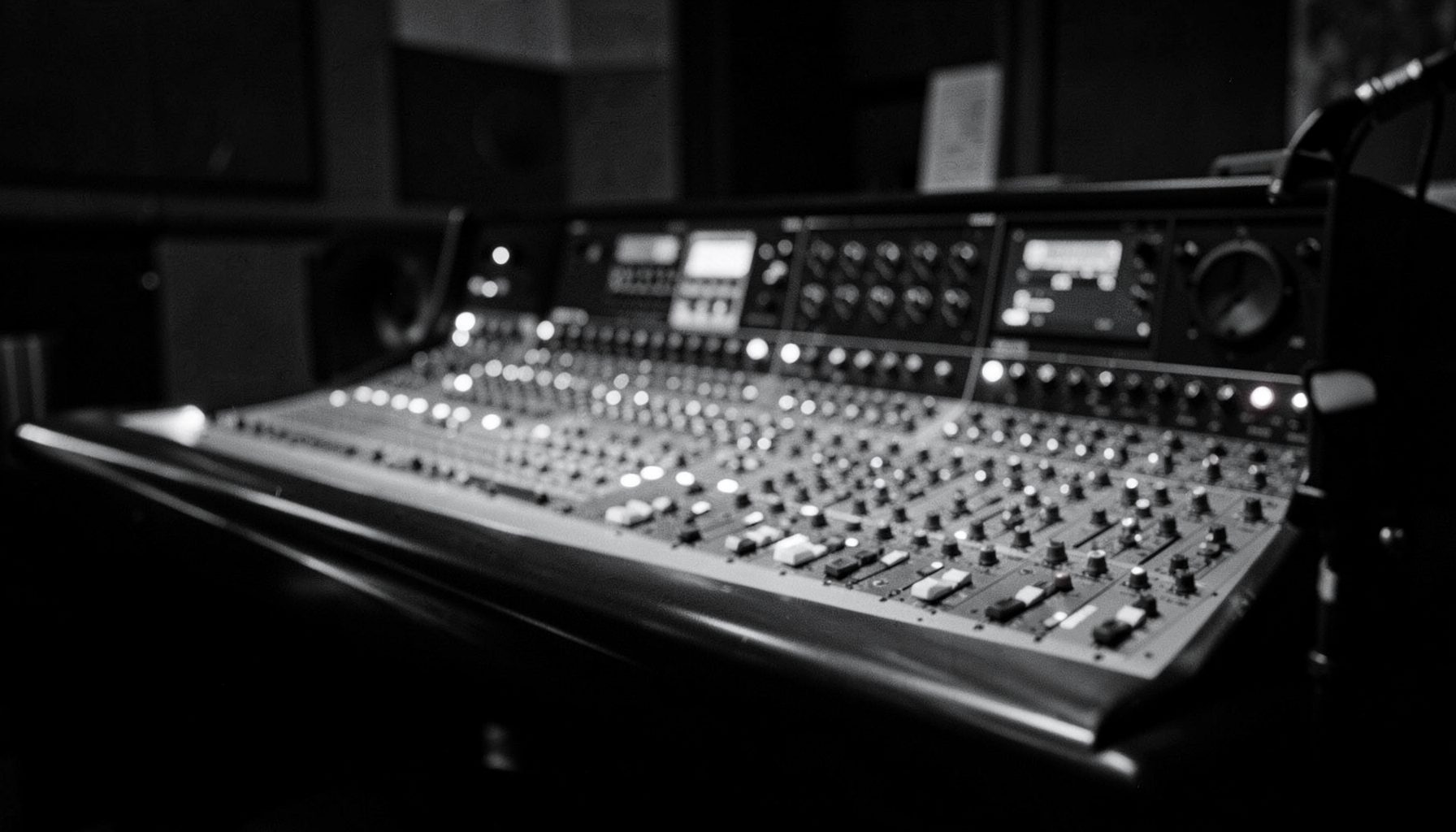
This recording diary looks at the creative work behind a new EXO project, focusing on the atmosphere of studio sessions and the decisions that shape a finished release. Rather than presenting the album as a single dramatic moment, it follows the many small choices that turn a song idea into an EXO track.
For EXO-L, these details add another layer to the listening experience. A familiar vocal color, a carefully stacked harmony, or an unexpected change in rhythm can reveal how much work happened before the group stood in front of the camera.
The First Hours In The Studio
The earliest studio sessions are often built around exploration. Producers may bring several demos with different tempos, arrangements, and emotional tones, while the members listen for the songs that feel most natural for EXO. At this stage, a track can change dramatically before anyone records a final vocal.
The group’s signature sound depends on contrast. Powerful vocals, smooth harmonies, rhythmic delivery, and restrained moments need to coexist without competing for attention. A song may begin with a strong chorus but later gain a new identity after the verses are rewritten or the instrumental is simplified.
Recording a guide vocal helps everyone understand the shape of the composition. It also reveals practical questions: where a melody sits comfortably, whether a line needs more emotional weight, and how much space the arrangement leaves for the voices. These early decisions often determine whether a song feels expansive, intimate, dramatic, or playful.
Building The EXO Vocal Blend
One of the most recognizable elements of EXO’s music is the way individual voices work together. A lead vocal may establish the emotion of a verse, while background layers add depth beneath it. In a chorus, the impact can come from the combination of different tones rather than from a single dominant performance.
Harmony recording requires patience. Members may sing the same passage several times to test different phrasing, vowel shapes, and levels of intensity. Producers then compare the takes and decide which performances best support the melody. A line that sounds simple in the final mix may have required numerous attempts to achieve the right balance.
The recording booth also captures small details that listeners may notice subconsciously. A breath before a phrase can make it feel more urgent. A softer ending can create intimacy. A stronger consonant can help a lyric cut through a dense instrumental. These choices give an album character beyond its basic genre or concept.
From Demo Track To Finished Arrangement
A demo is only the starting point. Once EXO’s members begin recording, the production team can identify which sections deserve expansion and which should remain minimal. A pre-chorus might receive additional percussion, while a bridge could be redesigned to create a more memorable transition into the final refrain.
The arrangement also has to support the album as a whole. A title track may carry the boldest sound, while b-sides provide room for different moods and vocal approaches. A mid-tempo song can offer a change of pace after an intense performance track, and a quieter closing song may leave the release with a more reflective feeling.
| Studio Element | What Happens During Recording | How It Shapes The Album |
|---|---|---|
| Demo selection | Songs are reviewed for melody, concept, and vocal suitability | Establishes the project’s musical direction |
| Guide vocals | Early vocal takes test range, phrasing, and emotional tone | Reveals which melodies need adjustment |
| Harmony layers | Members record supporting parts and alternate vocal combinations | Creates EXO’s rich group sound |
| Arrangement edits | Producers refine drums, synths, transitions, and song structure | Defines each track’s energy and identity |
| Final vocal takes | Selected performances are recorded with detailed direction | Gives the songs their emotional center |
| Mixing and mastering | Vocals and instruments are balanced for the finished release | Connects the tracks into a cohesive listening experience |
The Details Hidden Inside A Track
A recording diary becomes most interesting when it focuses on details that are easy to miss. The opening seconds of a song may contain a vocal effect that sets the atmosphere. A second verse might introduce a new instrumental texture, or a final chorus could add extra harmonies that were absent earlier in the track.
Ad-libs are another important part of the process. They can be planned in advance, but many are developed while the members are already inside the booth. A vocal run, spoken phrase, sustained note, or response in the background can change the energy of a section and make the final version feel more personal.
Lyrics receive the same careful attention. A phrase needs to fit the rhythm, communicate the intended emotion, and sound natural when performed. Small changes in wording can alter how a line lands, especially in songs that move between Korean and English. The final lyric is often the result of repeated listening and revision.
The Mood Behind The Microphone
Studio work is technical, yet the emotional atmosphere matters just as much. Some sessions may be focused and quiet, with everyone listening closely to a difficult vocal passage. Others may become more relaxed once the main recording is complete and the members begin experimenting with alternate deliveries.
That contrast can influence the performance. A song about longing may need a controlled vocal rather than an exaggerated one. A confident dance track may benefit from sharper diction and a stronger rhythmic attack. The goal is not simply to sing every note accurately, but to make the listener feel the personality of the song.
Producers often guide the members toward a specific emotional center. They may request a more restrained take, a brighter tone, or a version with greater vulnerability. Multiple recordings can then be compared during editing. The final performance may combine the technical precision of one take with the emotional expression of another.
Connecting The Songs Into One Era
An album feels complete when its tracks communicate with one another. This does not mean every song must sound identical. Instead, recurring elements can create continuity: a particular vocal texture, a shared lyrical theme, related production choices, or a sequence that moves naturally from intensity to calm.
The track order can change how fans experience the release. Opening with a high-impact song creates immediate momentum, while beginning with a softer track can establish a more atmospheric world. The final placement of the title track, b-sides, and closing song is part of the storytelling process.
Visual planning also begins to connect with the music during this stage. Concepts, choreography, stage performances, and music video scenes may reflect the emotions discovered in the studio. When the audio and visual elements support one another, the album era becomes easier for fans to recognize as a complete artistic chapter.
Listening More Closely As An EXO-L
Fans can revisit an album with the recording process in mind and hear familiar tracks differently. A repeated phrase may reveal layered vocals. A sudden pause may show how carefully the arrangement was edited. A change between the first and final chorus may indicate the producers’ effort to build momentum.
These listening habits can make album discussions more detailed and rewarding. Instead of focusing only on a title track, EXO-L can compare vocal approaches across b-sides, identify recurring production motifs, and consider how each member contributes to the group’s overall color.
Useful ways to follow the project include:
- Listen to the album with headphones to catch harmonies, ad-libs, and quieter production layers.
- Compare official audio, live stages, and performance videos to hear how songs change outside the studio.
- Read verified interviews and behind-the-scenes content for comments about songwriting and recording.
- Track the full release sequence, including teasers, album credits, and official visual content.
- Share favorite vocal moments and arrangement details with other EXO-L through thoughtful fan discussions.
The most rewarding part of an album recording diary is seeing how unfinished ideas become songs that live beyond the studio. Each vocal take, arrangement change, and carefully placed harmony contributes to the final identity of the release.
Keep following EXO-L for EXO news, comeback coverage, music video updates, performance content, photo galleries, and deeper looks at the creative work behind the group’s music. Revisit the album with fresh attention, celebrate the details hidden in every track, and stay connected to the next chapter of EXO’s journey.