
EXO’s Concert VCRs: Mini-Films Within the Shows
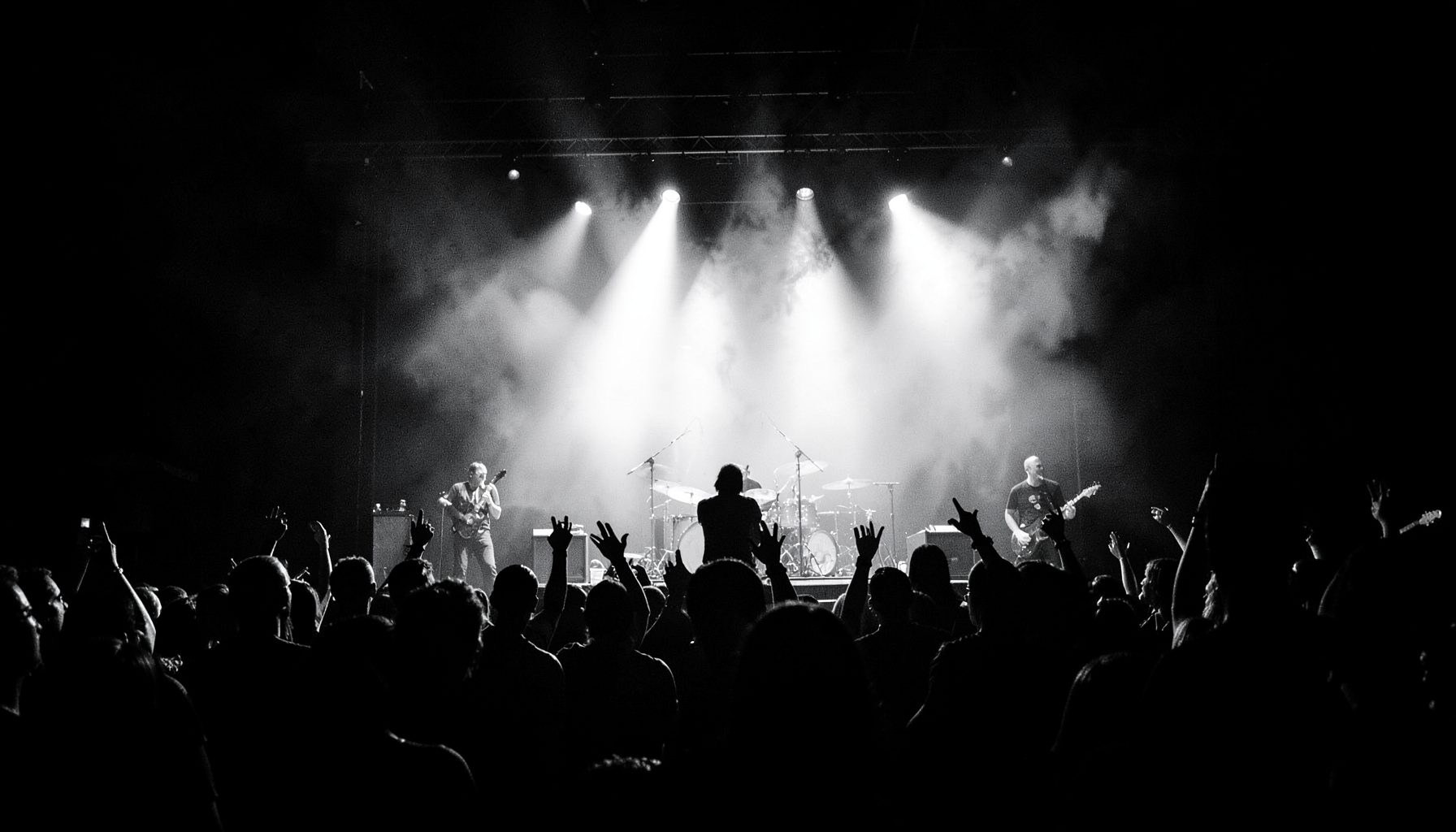
An EXO concert is built from more than live vocals, choreography and light-stick waves. Between major stages, the group’s VCRs create short cinematic worlds that give the audience time to breathe while moving the show’s emotional story forward. These screen segments can feel like music videos, science-fiction scenes, travel diaries or character studies, depending on the tour’s concept.
For EXO-Ls, the appeal lies in the details: a familiar voice in a new setting, a recurring symbol, a sudden change in colour grading or a visual clue that connects one performance block to the next. Fans watching from Sydney, Melbourne, Brisbane or Perth may experience the same footage through online clips, concert recordings and fan-shot memories, yet the cinema of a VCR is designed to feel largest when thousands of people watch it together.
How VCRs Shape A Concert
A VCR, short for video content played on the venue’s large screens, usually appears during a stage transition. It may give performers time to change costumes, reset the set or prepare for a demanding performance sequence. Its creative role, however, reaches far beyond practical backstage needs.
EXO’s concert films often establish a mood that a live stage cannot create on its own. A dark corridor, a futuristic city, an abandoned room or a surreal landscape can place the members inside a larger narrative. When the screens fade and the next song begins, the audience carries that atmosphere into the performance.
This pacing is important in a long arena show. A concert needs peaks and quieter spaces, especially when fans have been standing, singing and waving light sticks for several hours. A well-timed VCR gives the crowd a visual interlude without breaking the emotional momentum.
From Concept Photos To Moving Images
The visual language of an EXO era often begins before the concert. Album artwork, teaser photographs, music videos and promotional films establish colours, costumes and symbols. Tour VCRs can then expand that language, showing how the group’s concept works away from the main stage.
A still image may present a member as mysterious or otherworldly, while a concert film gives that idea movement. Camera angles, editing speed and sound design reveal more about the character. A close-up can make a small gesture significant; a wide shot can make the member appear isolated within an immense setting.
This continuity rewards attentive fans. EXO-Ls frequently compare concert footage with teaser images, lyrics and earlier tour visuals, looking for repeated motifs. The VCR becomes a bridge between eras rather than disposable filler between songs.
The Members As Characters
A powerful VCR gives each member a distinct screen presence. It may focus on individual expressions, movement, styling or symbolic objects before bringing everyone together. These scenes can make a large group feel intimate, particularly when the camera lingers on a face or captures an unguarded moment.
The members’ contrasting personalities also affect how fans read the films. A restrained performance from one member may communicate tension, while another’s playful energy can change the tone of an entire sequence. Even without dialogue, editing choices help create a sense of character and relationship.
For supporters, this is part of the pleasure of revisiting concert content. A short clip can prompt discussion about who appeared first, which visual motif belonged to which member and how the VCR prepared the audience for the next song. In Australia, fan communities often continue these conversations through group chats, Discord servers and social posts long after a Seoul or Tokyo performance has ended.
Sound, Editing And The Big Screen
The soundtrack of a VCR is as important as its imagery. Instrumental versions of EXO songs, spoken narration, sound effects and sudden silence can turn a simple transition into a dramatic scene. A bass-heavy cue may lead into a powerful dance number, while a delicate piano arrangement can prepare the crowd for a ballad.
Editing controls the audience’s attention. Rapid cuts create urgency, slow dissolves suggest memory and repeated images can make a symbol feel important. On a phone screen, some of these details disappear. On an arena display, the scale, brightness and collective reaction make each visual beat more physical.
Venue conditions also influence the experience. Fans in Sydney’s Qudos Bank Arena or Melbourne’s Rod Laver Arena may notice different screen proportions, sightlines and lighting depending on their seat. The same film can feel intimate from a lower section and monumental from the upper tier, where the full visual composition becomes easier to see.
Why The Interludes Stay Memorable
Live performances are naturally temporary, but VCRs often become some of the most replayed parts of a concert. Fans can return to them to study styling, symbolism and editing, especially when official tour films or high-quality uploads become available. These clips preserve a sense of the show’s larger world.
They also offer a different kind of member interaction. A live stage highlights singing, dancing and audience connection; a mini-film can show the members through a carefully constructed fictional lens. That contrast keeps the concert from feeling like a sequence of isolated songs.
For Australian EXO-Ls, access can be shaped by distance and scheduling. International tours may not stop in every Australian capital, and time differences can make livestreams difficult for people balancing work, university or early morning commutes. A VCR shared online can therefore become a valuable piece of the event, even for fans who could not attend in person.
A Visual Map Of The Show
Concert VCRs often perform several jobs at once. The comparison below shows how different forms of screen content can guide the audience through a set list.
| VCR Style | Main Function | Common Visual Approach | Effect On The Audience |
|---|---|---|---|
| Opening film | Establishes the tour’s world | Dramatic symbols, group imagery and cinematic titles | Builds anticipation before the first live song |
| Member-focused clip | Highlights personality or character | Portrait shots, individual locations and close-ups | Creates intimacy and encourages member-by-member analysis |
| Narrative interlude | Connects separate performance sections | Story scenes, recurring objects and changing settings | Makes the set list feel like one journey |
| Mood transition | Shifts the emotional temperature | Colour changes, slower editing or atmospheric sound | Prepares fans for a ballad, darker stage or energetic block |
| Closing film | Extends the final feeling of the concert | Reflective images, backstage moments or farewell motifs | Leaves the audience with a sense of continuation |
The strongest examples do not explain every detail. They leave space for interpretation, allowing fans to connect the visuals with lyrics, album themes and their own memories of the show. This openness helps a two-minute film remain interesting after repeated viewing.
How Fans Can Watch More Closely
A first viewing is usually emotional: the crowd reacts, the screens change and the next performance begins before anyone has processed what appeared. Later viewings reveal how carefully the footage has been assembled. Watching with headphones can make narration, layered production and subtle sound effects easier to notice.
Fans can also compare the VCR with the surrounding songs. Consider the lyrics, costume colours, choreography and lighting that follow it. A sequence about distance may lead into a song about reunion; a bright visual may deliberately give way to a darker performance. These connections show how concert direction turns separate elements into a single experience.
Australian fans should also keep practical viewing habits in mind. Official content is safest to access through authorised channels, particularly when copyright enforcement affects concert uploads and livestream replays. The Australian Consumer Law provides protections for paid services, while platform terms and ticket conditions still govern digital access, recording and redistribution. Supporting official releases helps preserve the resources needed for future tour films.
Appreciating The Craft Behind The Screen
- Watch the VCR once for its overall mood before analysing individual shots.
- Note recurring colours, locations, props and symbols across the concert.
- Compare the film with the song, choreography and costumes that follow it.
- Use headphones or a reliable sound system to catch narration and layered effects.
- Save official concert films and licensed clips rather than relying on unstable uploads.
- Share timestamped observations with local EXO-L communities in Sydney, Melbourne and other Australian cities.
EXO’s concert VCRs deserve attention as part of the group’s performance history. They create atmosphere, protect the rhythm of a long show and give fans another way to understand an era. When the arena lights fall and a cinematic scene appears above the stage, the concert briefly becomes a film—one that turns anticipation, memory and music into a shared visual experience.
Explore EXO’s concert archive, revisit the VCR moments that shaped each tour and share your favourite visual details with the EXO-L community.