

EXO’s Artificial Love and the Power of Shadows
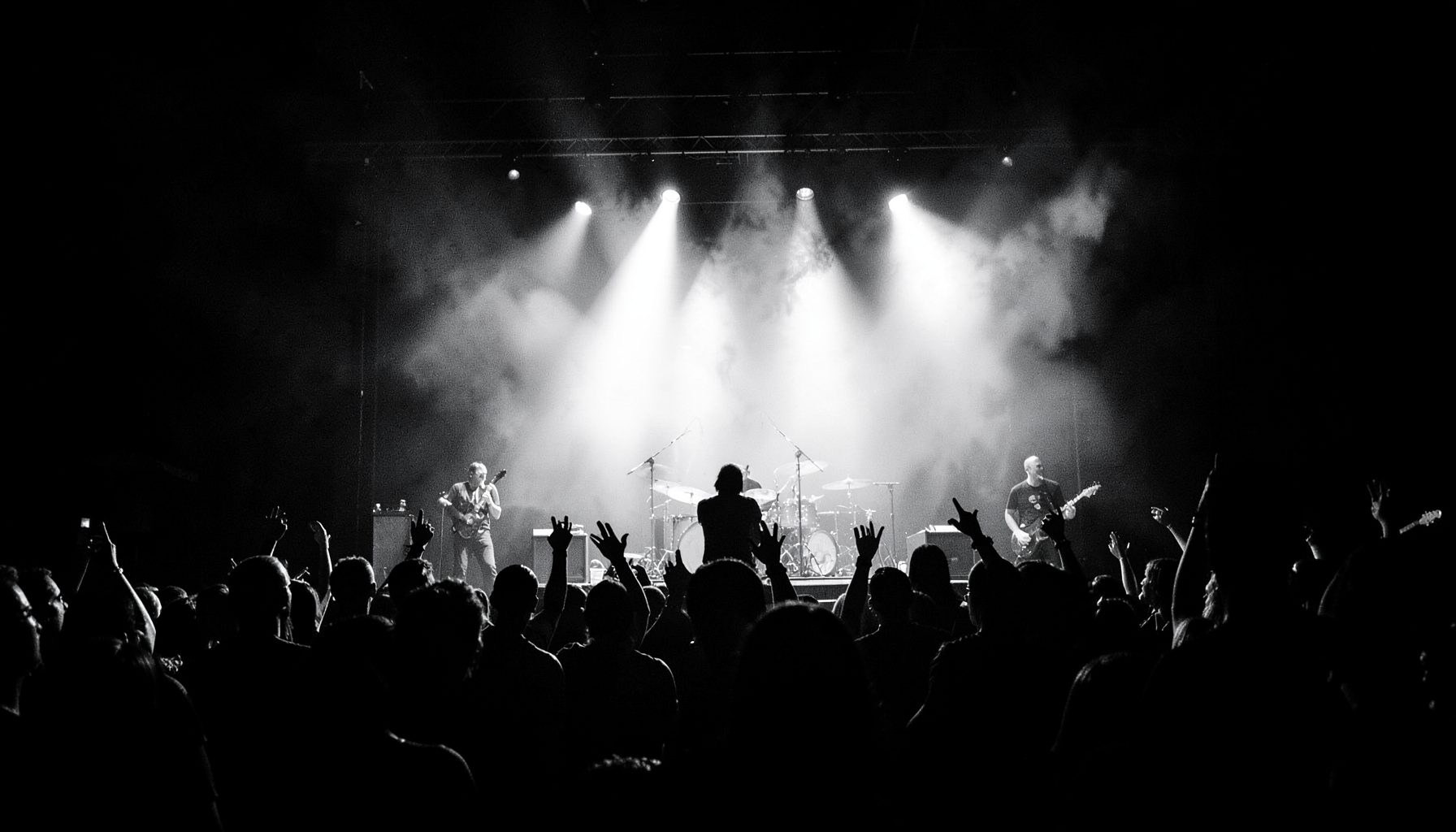
EXO’s “Artificial Love” is built around tension: attraction and distance, human feeling and polished control, intimacy and performance. Its electronic pulse creates a sleek, almost mechanical atmosphere, yet the stage interpretation gives that sound a physical language through silhouettes, blocked light and movement that seems to appear and disappear.
For EXO-Ls, the appeal lies in how the performance changes according to where it is viewed. A concert audience in Sydney may notice the full geometry of the formation, while someone watching a close-up fancam from Melbourne may focus on a hand, a profile or a shadow crossing another member’s body. That flexibility makes the song especially rewarding to revisit.
| Performance element | Effect on the audience | Detail to notice |
|---|---|---|
| Backlighting | Turns members into silhouettes | Edges of bodies become part of the choreography |
| Low-key lighting | Creates secrecy and tension | Faces appear selectively rather than continuously |
| Group formations | Suggests connection and control | Members seem to merge, divide and mirror one another |
| Sharp gestures | Matches the electronic production | Small movements feel precise and deliberate |
| Camera framing | Changes the emotional meaning | A wide shot shows design, while a close-up reveals vulnerability |
Shadow As A Second Performer
In “Artificial Love”, darkness is not simply a way to make the stage look dramatic. It functions like another performer, shaping what the audience can see and withholding what it cannot. A member may step into a narrow beam, remain half-obscured or move behind another figure, creating the impression of a relationship that is always shifting.
This use of concealment suits the song’s title. The word “artificial” suggests something constructed, simulated or carefully maintained. Shadows support that idea by making the performers appear both present and unreachable. The audience receives fragments rather than a complete image, which mirrors the uncertainty in the music.
Silhouettes also flatten individual identity for a moment. EXO’s members remain recognisable through posture and movement, but the lighting can turn them into a single graphic shape. When the group breaks apart, the return of individual faces feels significant, as though personality has emerged from a controlled system.
From Electronic Texture To Stage Picture
The production of “Artificial Love” has a polished, synthetic quality, with repeating beats and a cool rhythmic surface. A literal performance could have leaned heavily on speed, but EXO’s approach often finds drama in restraint. The choreography lets pauses, angles and controlled transitions carry as much weight as larger gestures.
That restraint gives the shadows room to work. A sudden change in lighting can make a simple turn seem like a transformation, while a line of dancers moving together can resemble a machine switching modes. The stage becomes a visual extension of the track’s layered production rather than a backdrop placed behind it.
Costume styling strengthens this impression. Clean lines, dark tones and reflective details catch brief flashes of light, allowing the performers to seem assembled from separate visual components. The contrast between fabric, skin and darkness keeps the eye moving without overwhelming the choreography.
The result is an elegant kind of theatricality. It does not require a literal story with characters and a fixed plot. Instead, it presents a mood of attraction shaped by distance, where every reveal feels temporary.
The Choreography Of Absence
The most compelling feature of shadow-led performance is absence. What cannot be seen becomes part of the audience’s interpretation. A face hidden at the exact moment a gesture suggests longing may feel more emotionally charged than an obvious expression would.
This is especially effective in group choreography. Members can appear to reach towards one another while their bodies remain separated by darkness. A formation may imply closeness from a distance, then lose that unity when the lighting changes. The contrast creates a visual rhythm that works alongside the song’s beat.
Mirroring is another important device. When two members perform similar movements in different pools of light, the stage can suggest duplication or imitation. That idea connects naturally with the artificial quality of the track: are the dancers responding to one another, or are they being controlled by the same unseen force?
The choreography also benefits from sharp levels. Members standing, crouching or passing behind one another create layers for the light to cut through. Shadows become deeper when bodies overlap, making the formation feel three-dimensional even on a flat screen.
Camera, Lighting And Fan View
A live stage and a broadcast performance offer different ways to understand “Artificial Love”. From a concert seat, the audience sees the scale of the lighting design and the way the formation travels across the stage. On video, editing can redirect attention towards a particular member, gesture or facial expression.
This distinction matters for EXO-Ls who compare official performances, concert recordings and fancams. A wide shot may reveal a perfectly timed silhouette that a close-up hides. A close-up, however, can expose the tension behind a controlled expression, turning a cool concept into something more personal.
For Australian fans, time zones can shape the experience. A live Seoul stream may arrive during the evening in Sydney or Melbourne depending on daylight saving, while fans in Brisbane follow a different local clock. That small practical detail often turns a release or concert broadcast into a shared ritual, with social feeds filling quickly as viewers compare the lighting, styling and choreography.
The performance also rewards repeated viewing on different screens. A phone may deepen the blacks and obscure detail, while a television reveals layers in the stage design. Headphones make the bass and electronic textures more apparent, helping the visual choices feel tied to the music rather than added for decoration.
A Performance That Reflects EXO’s Range
“Artificial Love” sits comfortably within EXO’s more experimental and sensual performance material, where atmosphere is as important as vocal display. Its dark visual language leaves room for individual interpretation, while the precision of the group keeps the performance unified.
That balance reflects the members’ wider strengths. Chanyeol, for example, has developed a public identity that stretches across music, variety and screen work; this wider view of Chanyeol’s versatility helps explain why EXO performances can feel character-driven even when the concept is highly stylised.
The shadows do not erase personality. Instead, they frame it. A change in stance, the timing of a glance or the way a member enters a light source can distinguish one performer from another without interrupting the group’s visual unity.
That quality is valuable in a mature K-pop performance. The spectacle remains polished, but it leaves enough ambiguity for viewers to bring their own emotional reading. In the Australian market, where fans often move between official streaming platforms, imported albums and local fan events, that interpretive space helps a song remain interesting long after its first release.
Ways To Watch The Performance More Closely
A useful way to revisit the stage is to separate the sound, choreography and lighting before bringing them together again. The following approaches can make small choices easier to recognise:
- Watch one performance with the sound lowered and track how the shadows guide your attention.
- Compare a wide official recording with a close fancam to see what each version hides or reveals.
- Follow one member’s movement through the formation instead of focusing on the centre position.
- Notice when lighting changes occur on a beat, vocal phrase or transition in the choreography.
- Rewatch the final section and consider whether the group appears more connected or more divided.
- Compare the mood of the performance with the song’s electronic texture rather than reading the shadows as decoration alone.
The best viewing experience may come from treating the stage as a visual composition. Look for diagonals, negative space and repeated shapes, then consider how the members disrupt those patterns. A single figure stepping out of darkness can carry as much narrative weight as a dramatic dance break.
Australian EXO-L communities can also make this a collective activity, whether through a Sydney cup-sleeve event, a Melbourne screening or a Brisbane fan discussion. Shared reactions often reveal details that an individual viewer misses, especially in a performance designed around partial visibility.
“Artificial Love” remains powerful because its shadows do several jobs at once. They create atmosphere, sharpen the choreography, echo the song’s artificiality and preserve a sense of mystery around the performers. Revisit the stage with those ideas in mind, share the details that stand out to you, and keep exploring EXO’s performance archive through the EXO-L community.