
Baekhyun vs Kai: how their solo stage aesthetics set them apart
When EXO's solo work, military enlistments and subunit projects began overlapping, two members emerged as the group's most distinct visual and performative forces outside the group setting. Byun Baekhyun and Kim Jongin, better known as Kai, each built solo careers that traded on very different ideas of what a stage should look, sound and feel like. For fans who grew up watching their fancams side by side, the contrast has become one of the most-debated topics in any EXO-L group chat.
Comparing the two is less about deciding a winner and more about mapping the poles of EXO's wider artistic range. Baekhyun leans into retro soul, jazz textures and intimate R&B, staging his performances like late-night television sets. Kai pulls from contemporary dance, haute couture and club-leaning electro-R&B, framing each appearance as a fashion-editorial moment. The way Australian EXO-Ls discuss the pair in Brisbane group chats or during pre-show meet-ups at Qudos Bank Arena in Sydney reflects that same split, with some swearing by the vocal swerve and others loyal to the choreography-first spectacle.
Sonic identity and musical direction
Baekhyun's solo discography reads like a love letter to artists his generation discovered as teenagers. City Lights, Bambi and Hello all lean on warm keys, breathy falsetto and unhurried grooves that nod to 90s and 2000s R&B. Fans often point out how his phrasing borrows from the kind of slow-jam playlists that defined late-night radio in that era, the sort of nostalgic 2000s playlist that still gets shared in retro-music forums. His B-sides lean even further into soul, bossa and acoustic ballads, and his live band arrangements often strip the polish away to highlight raw vocal texture.
Kai's solo work, by contrast, moves through minimalism, moody electronics and dance-floor R&B. Tracks like Mmmh, Peaches and Reason feature sparse production built around a single hook, designed to leave space for movement. His collaborations with producers in the UK and US club scene give his work a colder, more nocturnal feel than Baekhyun's sunnier palette. The result is music engineered for bodies, while Baekhyun's catalogue feels engineered for throats.
Choreography and stage movement
Kai's reputation as one of K-pop's most precise dancers is the anchor of his solo stage identity. His choreography borrows from contemporary dance, popping, voguing and modern jazz, often choreographed by international dancers who treat each stage as a short film. Even a two-minute music show appearance feels like a self-contained narrative. When he toured with his solo showcase, Australian fans who caught the Seoul stop often remarked that the staging felt closer to a gallery piece than a typical K-pop concert.
Baekhyun moves too, but his choreography is deliberately scaled back, used as punctuation rather than the headline. His stages typically feature hand choreography, slow turns, microphone play and small-group formations that keep the focus on his voice. The result is closer to a jazz club performance than a stadium production, a choice that pays off when the song demands stillness. Both approaches are legitimate, and both have become reference points in EXO-L forums whenever someone asks what a vocal-focused or performance-focused solo should look like.
Costume, hair and visual language
Style is where the two artists diverge most visibly. Baekhyun's wardrobe tends toward vintage leather jackets, knit vests, silk shirts and tailored trousers in warm autumnal tones. Hair is often styled in soft waves or a casual side part, and accessories are kept minimal: a single ring, a thin chain, maybe a beret. The visual shorthand is old soul in a young body, reinforced by the kind of warm stage lighting that photographers chasing a film-grain look tend to favour.
Kai treats the stage like a runway. He has walked for Gucci, Saint Laurent and Bottega Veneta, and his solo styling pulls from that world directly: sheer fabrics, cropped knits, leather harnesses, statement boots and architectural outerwear. His hair changes colour or shape with nearly every comeback, from silver to auburn to deep black with a sharp undercut. Australian K-pop fashion accounts regularly repost his stage looks as mood-board material, particularly around Sydney and Melbourne fashion week seasons when stylist references overlap.
| Element | Baekhyun | Kai |
|---|---|---|
| Core sound | Retro R&B, soul, jazz ballads | Minimal electronic R&B, club textures |
| Choreography style | Minimal, expressive, voice-led | High-intensity, contemporary, full-body |
| Costume language | Vintage tailoring, warm tones, soft textures | High fashion, sheer and leather, bold cuts |
| Hair and grooming | Side parts, soft waves, natural tones | Frequent colour and cut changes, sharp silhouettes |
| Stage production | Intimate sets, amber lighting, live band | Large LED walls, kinetic set pieces, projection mapping |
| Audience interaction | Conversational, talk-show feel | Physical, eye-contact-driven, hypnotic |
| Best setting | 2,000-seat hall, fan-meet, festival side stage | Arena tour, fashion event, awards show stage |
| Signature solo | Bambi | Mmmh |
| Visual references | Late-night lounge, indie film, vinyl-era soul | Editorial fashion, art-house dance, modern nightclub |
Lighting, set design and production
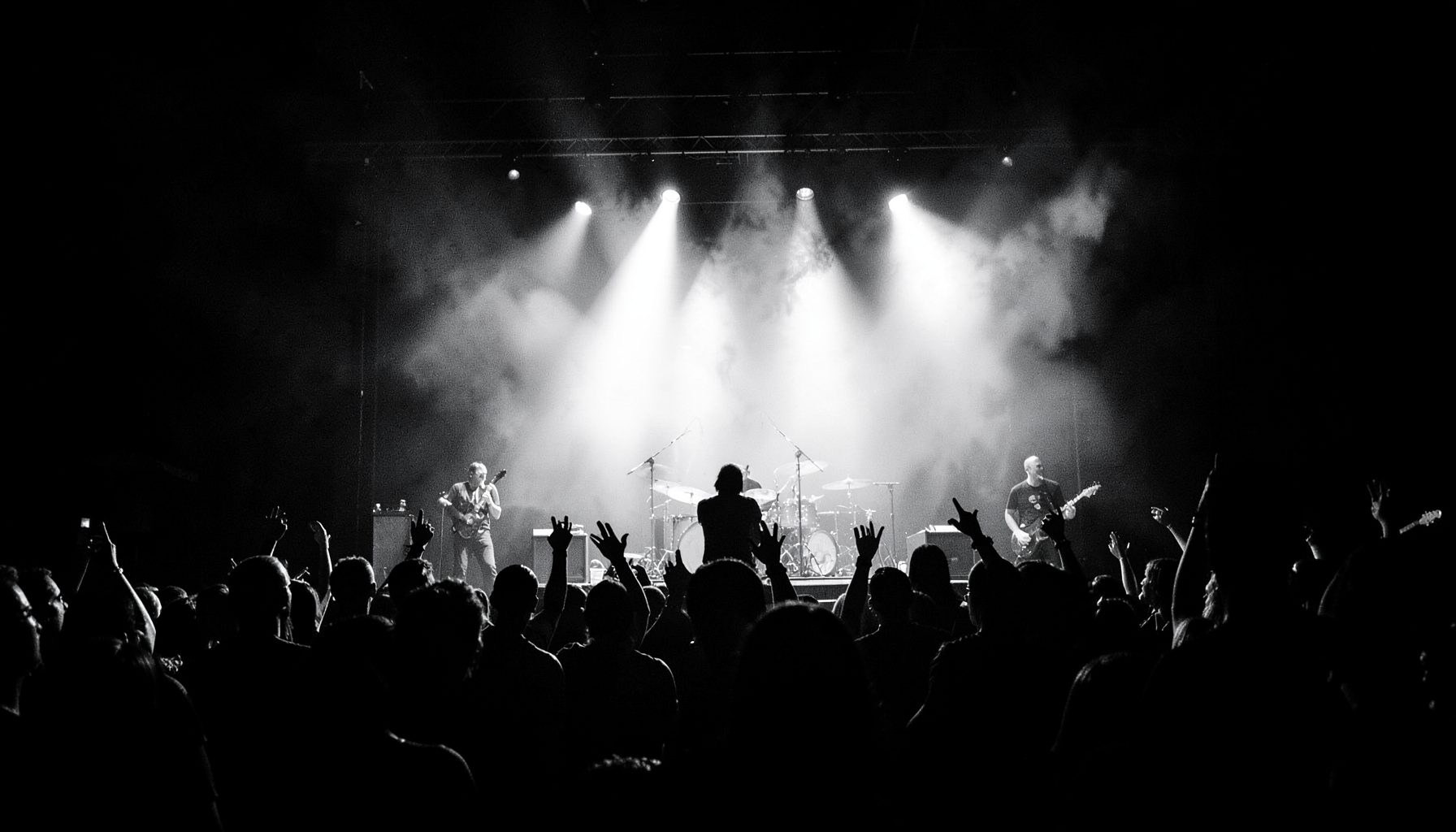
Baekhyun's stages lean into small-format intimacy. A single microphone stand, a dim amber wash, a riser or stool, sometimes a live string section tucked into the wings. His Lonsdaleite tour concept used a single spotlight and a stripped-back LED floor to create a mood reminiscent of an after-hours bar in Seoul's Hannam-dong. It is the kind of staging that works in a 2,000-seat hall and still feels personal.
Kai's productions are built to scale. Multi-level platforms, kinetic set pieces, LED walls that pulse with colour-coded choreography cues, and smoke cannons timed to the final chorus. Recent stages have featured a rotating cube and projection mapping that frames him as a sculptural object inside the frame. These choices are not just bigger; they are specifically engineered so that even a fancam from the third row looks cinematic, which is part of why his work travels so well across social platforms and time zones, including AEST broadcasts.
Live presence and audience engagement
Watching a Baekhyun stage feels like being invited into a private conversation. He talks between songs, adjusts the mic for the next vocalist, cracks jokes, and lets the audience sing extended choruses. The vibe at his fan-meets, including the small Asia-Pacific stops that Australian EXO-Ls fly in for, is closer to a talk-show than a concert.
Kai's live presence runs on physicality. Eye contact is precise, every gesture lands in time, and the silence before a key move is almost choreographed. Fans describe his shows as hypnotic in the same breath that they describe Baekhyun's as healing. Both are forms of connection, but they hit the body in very different ways.
Artistic growth over time
Both soloists have used their post-EXO work to push past the boundaries set by their group personas. Baekhyun's recent releases have incorporated more experimental production, including house and broken-beat textures, while still protecting the vocal-led core. He has expanded into musical theatre, OSTs and a more curated acting slate, suggesting he sees himself as a long-term singer-songwriter rather than an idol soloist.
Kai has used his solo runway as a launchpad into acting, fashion week appearances and increasingly ambitious concert concepts. His recent world tour signalled a step up in staging budgets and creative direction, with each city reportedly receiving a slightly reworked setlist to keep regulars engaged. Australian fans tracking the tour routing for 2025 and 2026 have already started trade threads about possible Sydney, Melbourne and Perth dates.
If you are mapping out your own comparison between the two, start with a fancam marathon: pick one performance from each artist per era and watch them back to back. Pay attention to how the camera is directed, how the audience is cued, and what each soloist chooses not to do. The differences are easier to articulate once you have seen them move in real time, and the more you compare, the clearer the case becomes for keeping both lanes open. Subscribe for more EXO solo deep dives, comeback breakdowns and stage-by-stage analysis delivered to your inbox.