
Baekhyun’s Magic City Tour and the Evolution of His Solo Stage
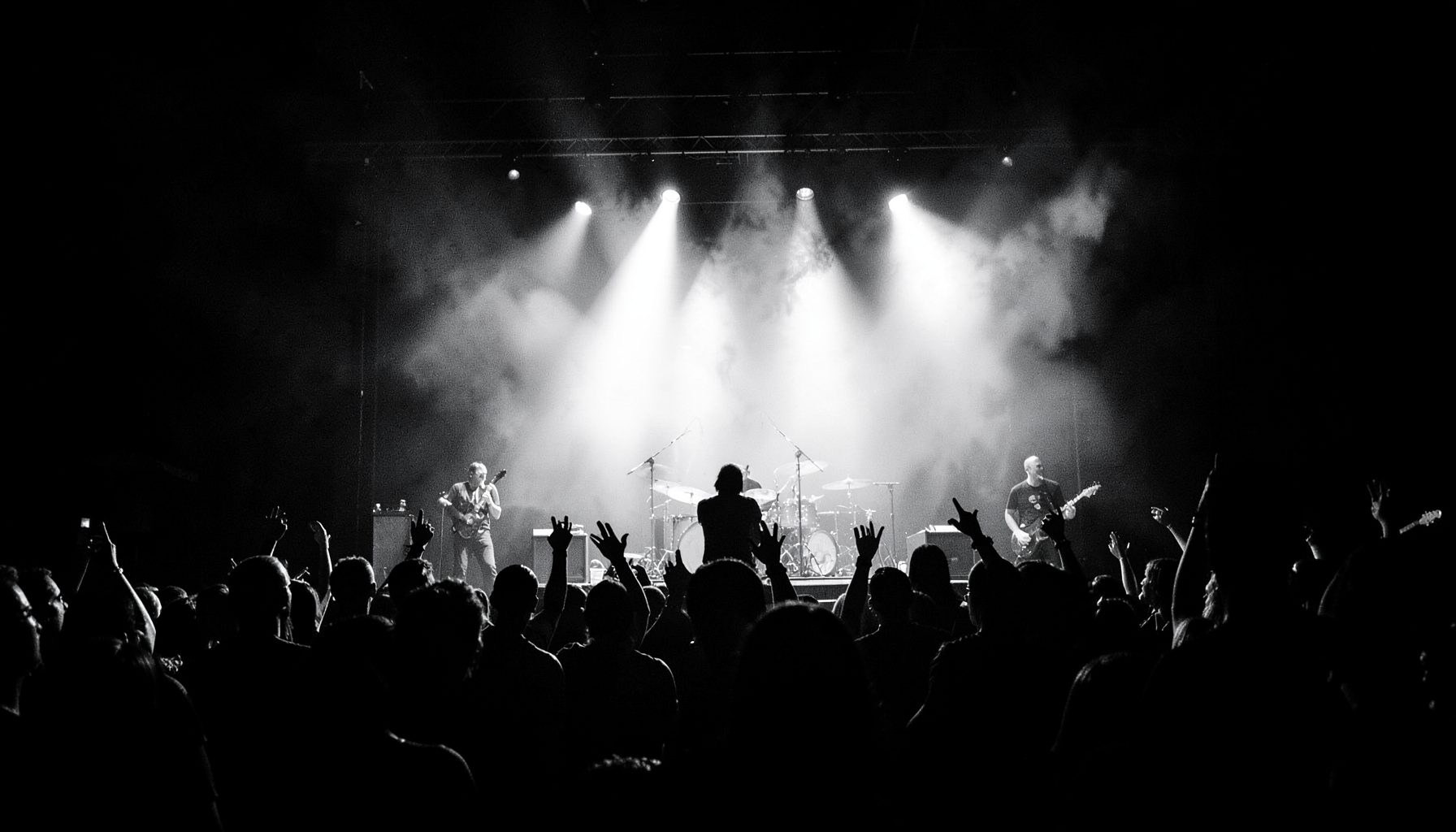
Baekhyun’s solo career has always balanced intimacy with spectacle. His voice can fill an arena with a single sustained note, yet his strongest performances often feel personal, as if he is sharing a private conversation with every fan in the room. That contrast shaped the appeal of his Magic City Tour, a series of shows remembered for atmosphere, vocal control, and the unmistakable warmth of his connection with EXO-L.
Looking back at the tour means looking beyond a setlist. The shows reflected Baekhyun’s growth from celebrated group vocalist to a confident solo performer with his own visual language, pacing, and emotional vocabulary. Each section of the concert contributed to a carefully built experience, moving between polished pop production, stripped-back vocal moments, playful fan interaction, and songs that carried the weight of his personal musical history.
For supporters, the tour also became a shared memory. Concert clips, fan projects, photographs, and post-show conversations extended the experience long after the final encore. That sense of community is part of what makes the Magic City era so meaningful within Baekhyun’s solo discography and the wider EXO-L story.
A solo identity built from contrast
Baekhyun entered his solo era with a vocal reputation that was already firmly established. His work with EXO had demonstrated his agility, expressive phrasing, and ability to move between bright pop, dramatic R&B, and emotionally demanding ballads. His solo releases gave those strengths more room, allowing him to explore moods that did not always fit within a group arrangement.
The Magic City shows brought those influences together. Rather than presenting one fixed image, Baekhyun shifted between sophisticated, flirtatious, vulnerable, and mischievous modes. The transitions felt important because they showed how much range a solo concert requires. A performer must carry the attention alone, and Baekhyun did so through small changes in tone as effectively as through choreography or stage design.
His performance style also benefited from restraint. While large screens, lighting cues, and dance sections created the expected scale, the most memorable passages often centered on his voice. He understood when to let the production expand and when to pull the focus back to a live vocal line.
The atmosphere behind the music
The visual identity of the tour gave the concerts their distinctive sense of place. “Magic City” suggested a nocturnal world of glowing signs, rich colors, sleek styling, and a little theatrical mystery. That concept suited Baekhyun’s ability to make polished pop feel elegant without losing its playfulness.
The staging worked best when it supported the songs instead of overwhelming them. Lighting could transform the mood from intimate and shadowed to bright and celebratory within moments. Camera work on the venue screens emphasized facial expressions and gestures, ensuring that fans in distant seats could still follow the emotional details of each performance.
Costuming played a similar role. Baekhyun moved comfortably between refined tailoring, relaxed stagewear, and more dramatic looks, reinforcing the changing chapters of the show. These details mattered to fans who follow his styling as closely as his music, but they also served a larger purpose: every visual choice helped distinguish one part of the concert from the next.
A setlist that traced his musical journey
A strong retrospective of the tour begins with the setlist. Its appeal came from the way it connected different phases of Baekhyun’s career instead of treating each release as an isolated chapter. Familiar title tracks brought immediate energy, while album tracks rewarded longtime listeners and revealed the breadth of his solo catalog.
The pacing allowed the show to breathe. High-impact dance numbers established momentum, then slower songs created space for vocal detail and emotional release. That rhythm prevented the concert from becoming a sequence of similar performances. Each change in tempo felt like part of a larger narrative, carrying the audience through glamour, nostalgia, tenderness, and celebration.
| Concert element | Role in the show | Lasting impression |
|---|---|---|
| Opening performance | Established the visual world and Baekhyun’s solo presence | Immediate energy and anticipation |
| Dance-focused section | Highlighted charisma, rhythm, and stage command | A dynamic pop concert atmosphere |
| Vocal-centered segment | Put tone, phrasing, and emotional control at the forefront | Some of the tour’s most intimate moments |
| Fan interaction | Made the large venue feel personal | Laughter, sincerity, and shared memories |
| Encore | Returned the focus to celebration and connection | A warm ending that felt personal rather than formal |
The ballad sections were especially valuable. Baekhyun’s voice carries texture even at low volume, and live arrangements gave listeners a clearer sense of his interpretive choices. Small changes in breath, emphasis, and phrasing made well-known songs feel newly discovered.
The moments fans carried home
Concert memories are often built from details that never appear in official recaps. A spontaneous comment, an unexpected laugh, a hand gesture toward a particular section, or the way Baekhyun reacted to a fan banner could become the moment people discussed afterward. These unscripted exchanges gave the Magic City Tour its human center.
Fan projects added another layer to the shows. Coordinated slogans, light displays, and supportive messages turned the audience into part of the production. This tradition has deep roots across the EXO-L community, as documented in fan projects that made headlines, and Baekhyun’s solo concerts showed how those gestures can reshape the emotional temperature of an arena.
His responses mattered just as much. Baekhyun has a natural ability to move between teasing humor and genuine affection, so the talking segments rarely felt like filler. He could make fans laugh, then shift into a sincere reflection about music, performing, or the people supporting him. Those transitions reinforced the impression that the concert was a meeting between artist and audience rather than a one-directional presentation.
Why the live arrangements mattered
Studio recordings establish a song’s identity, but live arrangements reveal how flexible that identity can be. During the tour, familiar tracks gained new impact through extended dance breaks, altered instrumental textures, and vocal ad-libs. These changes allowed Baekhyun to revisit his own material without simply reproducing the recorded versions.
The arrangements also emphasized his technical strengths. He could move from clean, controlled high notes into softer passages without losing emotional continuity. Rather than treating vocal power as the only measure of a performance, he used dynamics to shape each song. A quiet line could be as striking as a climactic note when the arrangement left enough room around it.
That quality is central to Baekhyun’s appeal as a soloist. His singing has polish, but it rarely feels emotionally distant. The Magic City performances demonstrated how control and vulnerability can coexist, particularly when the band, backing vocals, and choreography were calibrated around his phrasing.
A tour that expanded the fan conversation
The impact of a solo tour continues after the venue lights come up. Fans revisit fancams to compare vocal runs, share photographs of styling details, and discuss how a particular song changed between cities. Those conversations create a living archive of the performances, preserving differences that an official video may never capture.
The tour also encouraged listeners to reconsider Baekhyun’s catalog as a connected body of work. Songs from different releases could sit beside each other and still make sense because they shared his vocal color and evolving perspective. For newer fans, the concerts offered a way into earlier material. For longtime EXO-L, they provided a fresh view of an artist whose career they had followed from the beginning.
Several features made the shows especially memorable:
- A carefully paced setlist that balanced title tracks with deeper album cuts
- Live vocals that brought extra detail and emotional weight to familiar songs
- Visual transitions that connected contrasting moods into one coherent performance
- Fan interactions that kept the arena atmosphere warm and spontaneous
- Encore moments that emphasized gratitude, celebration, and shared history
The legacy of Baekhyun’s solo shows
The Magic City Tour now stands as a snapshot of Baekhyun at an important point in his artistic development. He had the experience to command a large production, yet he retained the openness that made fans feel included. That combination gave the concerts their lasting appeal.
Its legacy can also be heard in the expectations surrounding future Baekhyun performances. Audiences now look for the same balance of vocal excellence, visual polish, humor, and emotional honesty. They expect a show to feel thoughtfully designed while leaving room for unexpected moments. The tour helped define that standard.
For EXO-L, the memories remain larger than individual songs. They include the lights across the venue, the anticipation before the opening notes, the collective response to a favorite track, and the quiet feeling after the final goodbye. Revisit Baekhyun’s solo releases, performance videos, and concert photographs to experience the magic of this chapter again and keep its memories alive.