

Baekhyun’s contribution to EXO harmonies in Tempo
Baekhyun's contributions to EXO's vocal line harmonies in Tempo are clearest when the song is heard as a stack of melodic roles rather than a single lead. The Chinese-language version of EXO’s Knock gives his smooth register, agile falsetto and instinct for a counter-melody room to shape how the group moves from drive to intimacy.
Tempo has often been discussed for its Mandarin lyrics and polished choreography, yet its most revealing feature is the way EXO distributes attention among voices. Baekhyun’s role within that arrangement is equally important: he anchors the group, adds colour and makes the harmonies easier to follow across both the busy and intimate passages.
Tempo begins as a reworking of Knock
Tempo was released in late 2017 as the Chinese-language counterpart to Knock, which had already established the song’s bright synths, clipped percussion and relentlessly buoyant pulse. For EXO Planet #2 #WORLD, the adapted lyric and vocal presentation changed the emphasis without discarding the original arrangement’s momentum. That makes Tempo especially revealing: familiar musical bones meet a new language rhythm.
As one of EXO-K’s main vocalists, Baekhyun was already known for a smooth lower register and a light falsetto, but his value here extends beyond a higher note or an extra chorus. He can hold a stable centre while other singers take the exposed melody, then decorate the edges with quick lifts, slides and breathy tones. Those choices turn the vocal line into architecture, with support, accent and relief. This describes his interpretive contribution, not sole authorship of the arrangement.
Baekhyun anchors the layered vocal texture
His lower and middle tones supply weight beneath the group’s brighter leads. In dense passages, that darker layer keeps the harmony from sounding thin, especially when several voices converge. Baekhyun also knows when to remain close to the lead, allowing a small deviation in vowel placement or timing to colour a shared phrase without pulling it out of focus.
His falsetto provides a contrasting colour rather than simply more volume. The light, quick inflection can sit above a chorus and answer it, creating a sense of height and release. His controlled sustains also give the mix places to layer octave doubles and airy ad-libs. When the same vocal material returns, those additions change its emotional temperature, making Baekhyun’s grounded body and airborne finesse part of the track’s signature sound.
Counterlines create momentum across the track
Much of Tempo’s energy comes from the relationship between vocal motion and the steady beat. Baekhyun’s phrasing often gives a line its own internal pulse: a held tone moves into a quick turn, a short ad-lib lands just before the next instrumental accent, and a rest creates space for the production to breathe. The line never competes with the rhythm so much as sharpen it.
That sense of counterline is crucial in the quieter transitions, including the pre-chorus and bridge passages. Instead of simply raising the emotional level, Baekhyun can make a transition feel expectant, as though the melody is leaning towards the next release of tension. His soft tones and controlled decay also give the harmony a human edge against the polished synths, turning digital brightness into something more intimate.
Mandarin phrasing gives the harmonies a new shape
The move into Mandarin is more than a translation exercise. Chinese syllable weight and consonant placement reshape the natural accents, so the adapted phrases sit differently against the percussion. Baekhyun’s articulation takes on extra importance because the vocal delivery helps clarify the new rhythmic pattern while preserving the tune’s recognisable emotional arc.
Compared with Knock, Tempo can feel more compact and percussive at the vocal level. Baekhyun’s Mandarin phrasing reinforces that impression, while his lower harmonies stop the brighter surfaces from becoming detached. The difference is a useful reminder that harmony in K-pop is carried by language, breath and timing as much as by chord charts or a fixed melodic template.
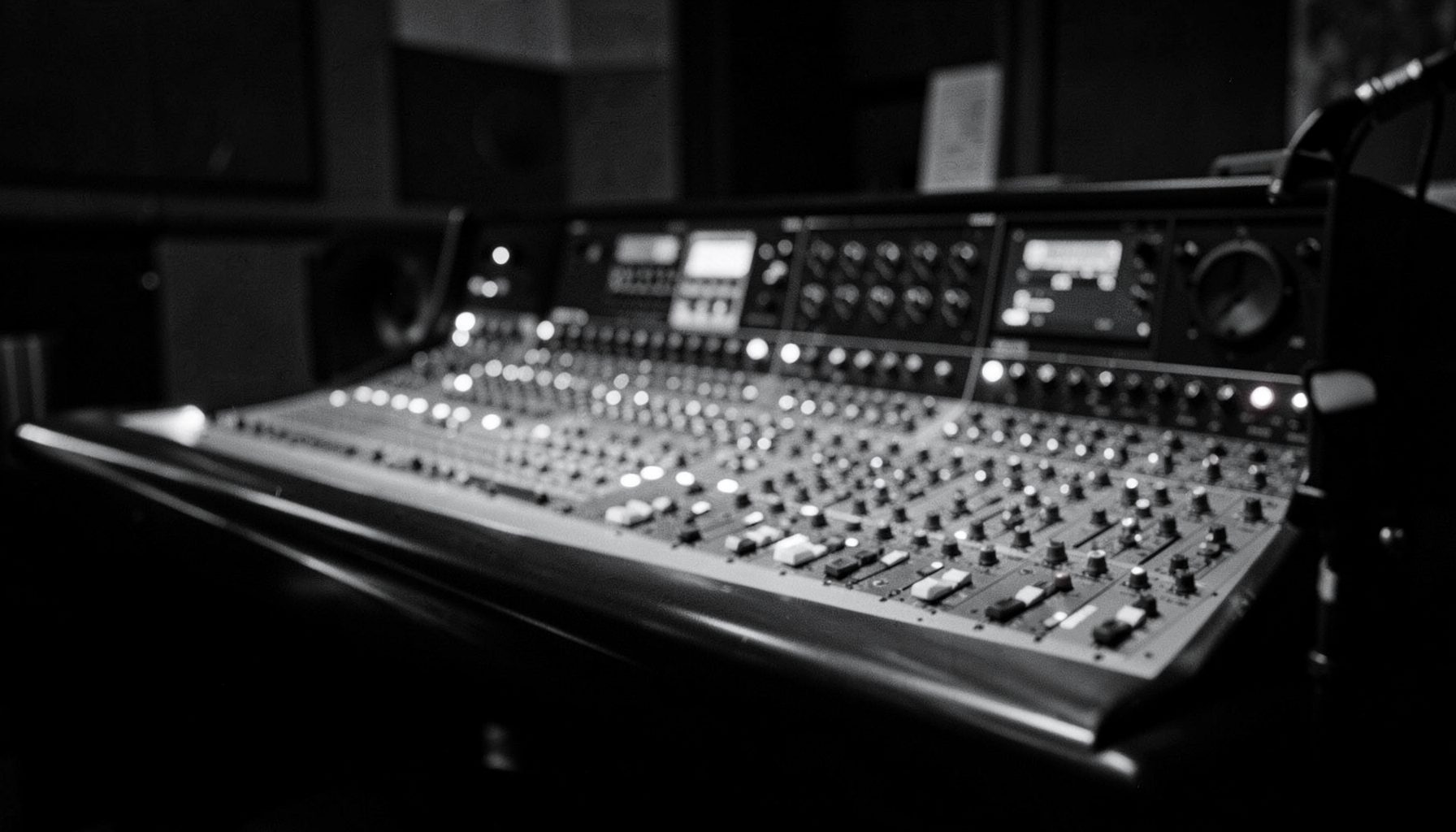
Studio layers meet the demands of live performance
On the EXO Planet #2 #WORLD stage, the studio decisions became physical. Fans could watch Baekhyun move between exposed singing and backing support, then hear the line open when his voice entered. Live performance removes some of the studio’s masking, making his blend, vowel support and placement easier to judge. The group chemistry also shows how his contributions work in relation to the other members.
Video recordings add another layer, although crowd noise, camera distance and the mix can reshape the balance. A clean vocal booth may reveal more detail than a wide arena shot, while a live clip can expose how precisely the group anticipates each entrance. Neither view is definitive on its own; together they show the difference between arranging a harmony and delivering it under movement, lights and noise.
A listening guide for Australian EXO-L
For Australian EXO-L, the Chinese-language edition has particular appeal in cities such as Sydney and Melbourne, where Korean and Chinese communities overlap with the country’s broader Asian diaspora. That mixed audience often approaches Tempo from both language directions. Fans attending gatherings around the Sydney ICC or Melbourne Convention and Exhibition Centre can compare the Mandarin vocal colours with the Korean original in the same discussion.
Timing also shapes how the song is heard locally. A Korean release or video premiere can arrive at an awkward hour when it is morning in Seoul but late at night in Melbourne or Perth; Sydney’s daylight-saving shifts change the conversion again. In fan posts, Australian listeners commonly call a vocal “clean” or a performance “solid”, and “keen” remains a familiar word for something enthusiastically enjoyed. The language is casual, but the listening habits are serious.
Physical collectors also navigate a practical market: purchases through international stores can attract international postage and 10% GST on low-value imported goods, while digital access depends on regional platform catalogues. Those details shape how Australian fans choose between streaming the track, ordering a physical edition or supporting a concert through local ticketing.
Harmony details to track
- Compare how Baekhyun supports the lead with weight in his lower register.
- Listen for brief falsetto answers that rise above the main line.
- Follow his counter-melodies around percussion and instrumental fills.
- Check live versions for clearer entrances, balance and group timing.
Australian listening checklist
- Match the Korean premiere with local AEST or AEDT conversion times.
- Compare reactions from Sydney, Melbourne, Brisbane and Perth fan communities.
- Check whether your regional streaming edition carries the same mix.
- Join a local fandom listening event before judging the Mandarin phrasing.
| Listening focus | Korean version | Chinese version |
|---|---|---|
| Main colour | Airy, polished and expansive | Fuller, sharper and more percussive |
| Baekhyun’s role | Smooth support beneath bright group lines | Articulated Mandarin phrasing with agile falsetto accents |
| Harmony to follow | Wide stacks and layered chorus returns | Tighter entrances that interlock with the beat |
| Best comparison | Studio track beside a live vocal mix | Mandarin track beside a clean studio mix |
The lasting mark of Baekhyun’s vocal craft
Baekhyun’s lasting contribution to Tempo is therefore bigger than a memorable high note or a decorative ad-lib. He helps make the harmony feel like one living system: grounded enough to support the group, flexible enough to recolour a phrase and precise enough to sharpen the song’s pace. The Mandarin adaptation adds another test, and his delivery meets it without losing that balance.
Tempo belongs at the centre of any serious study of EXO’s vocal craft. Listen to the studio track, compare it with Knock, then move to a live performance and follow Baekhyun’s entrances as carefully as the choreography. For EXO-L, share the version that makes each line clearest and keep returning to the harmonies that gave the song its pulse.